Breast Augmentation
Oakland, CA Patients

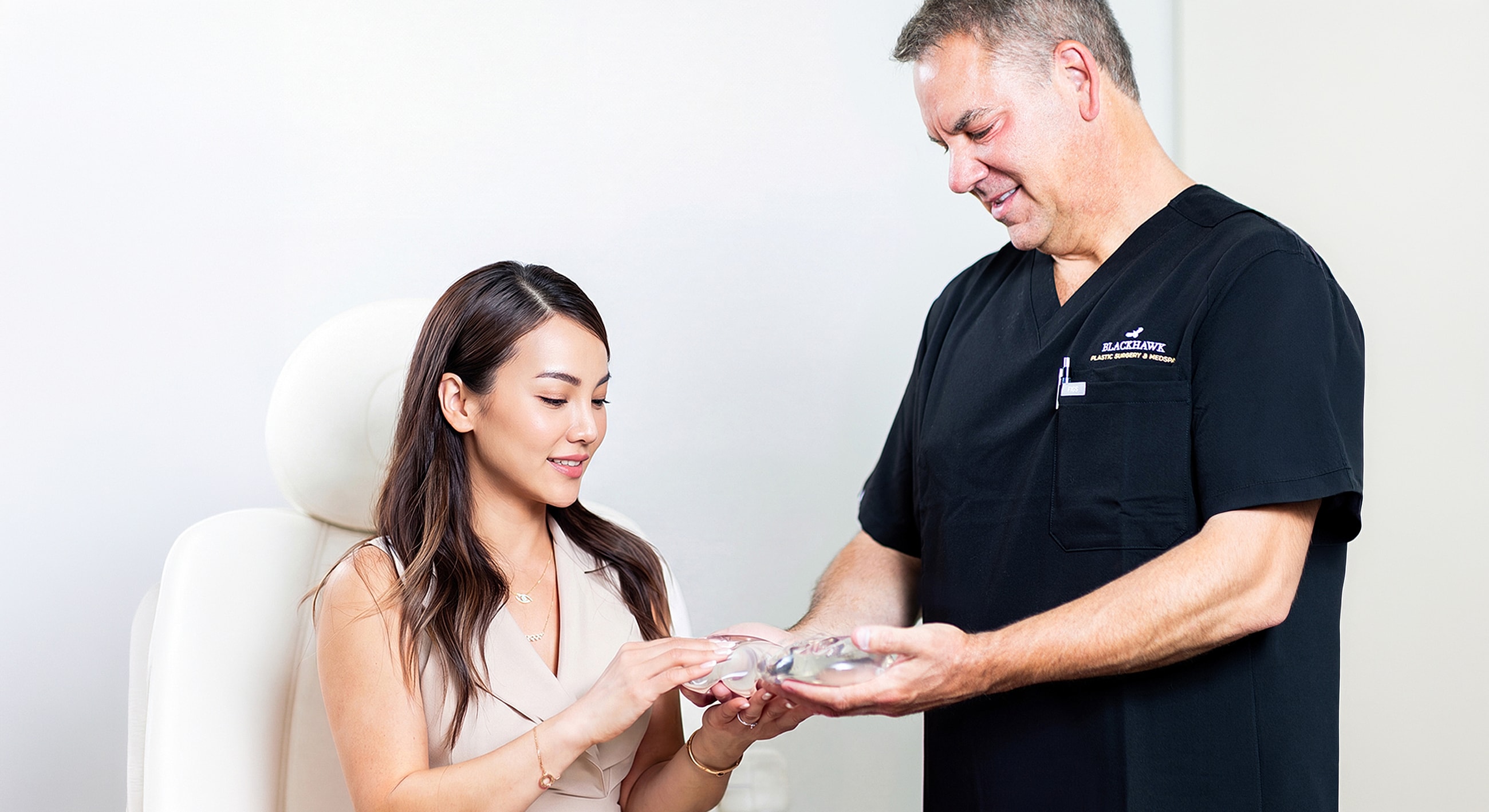
Breast augmentation can enhance breast size and shape. Implant selection starts with your existing anatomy. Chest width, skin support and the amount of breast tissue covering an implant all affect what will look and feel proportionate.
At Blackhawk Plastic Surgery & MedSpa, board-certified plastic surgeon Stephen J. Ronan, MD, FACS, helps Oakland residents weigh those choices at our Danville practice. He performs breast augmentation at the on-site Blackhawk Surgery Center. Your consultation covers what you hope to achieve, the limits of surgery, and what to expect during recovery.
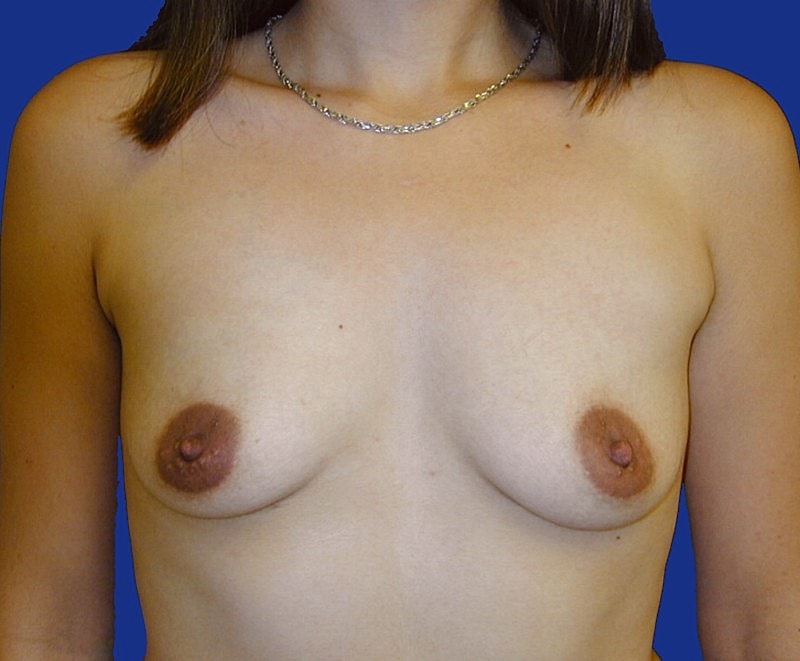
1 of 69
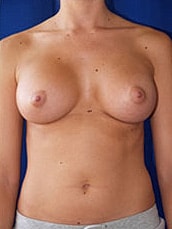
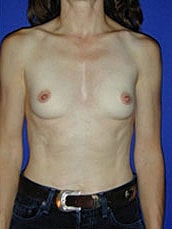
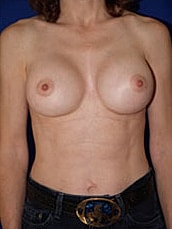
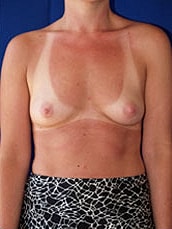
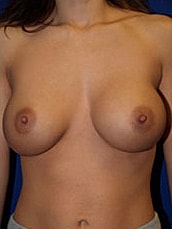
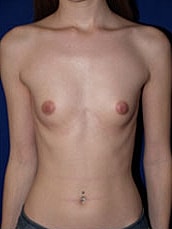
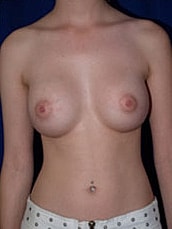
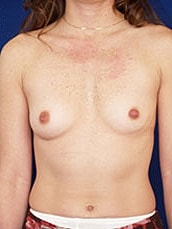
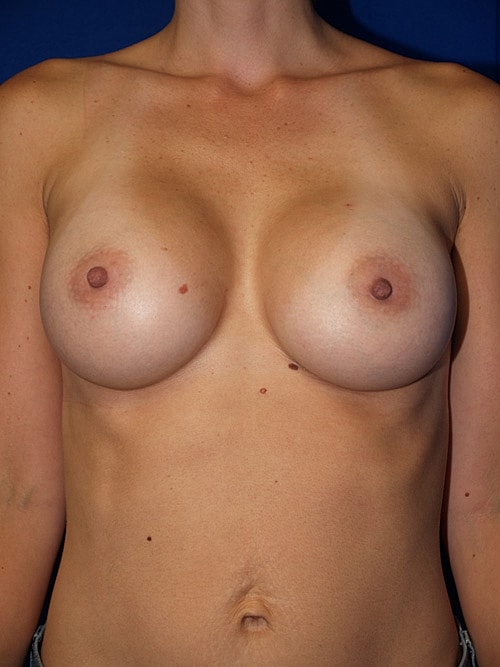
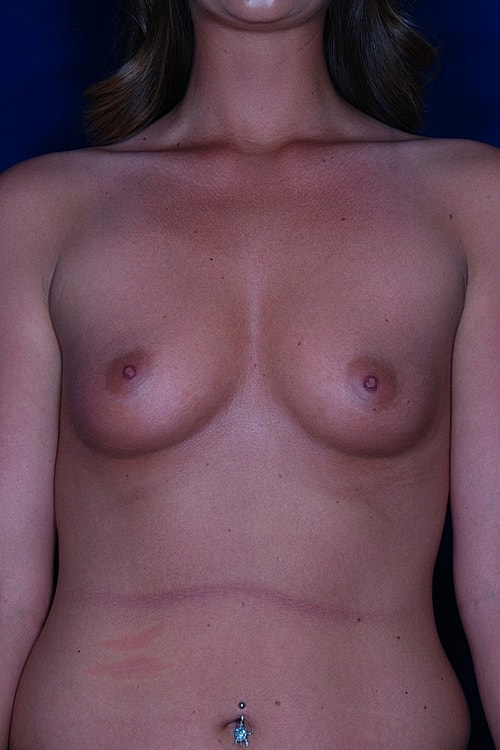
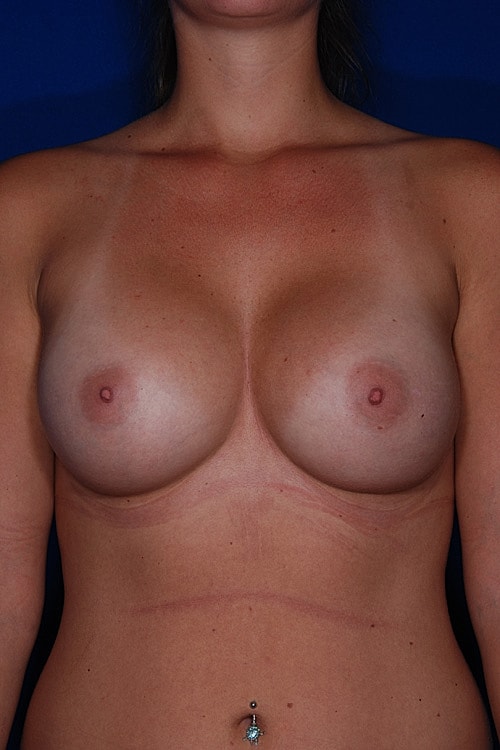
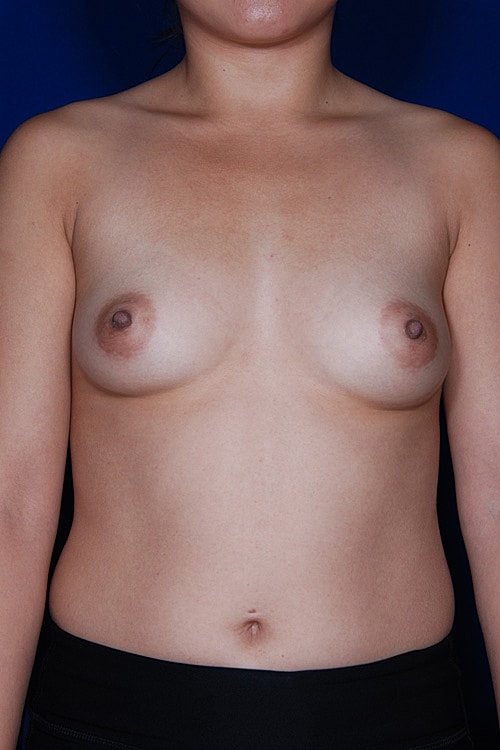
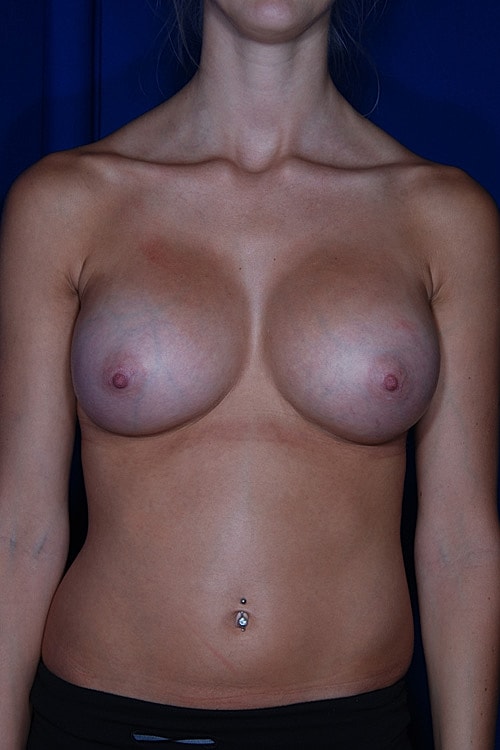
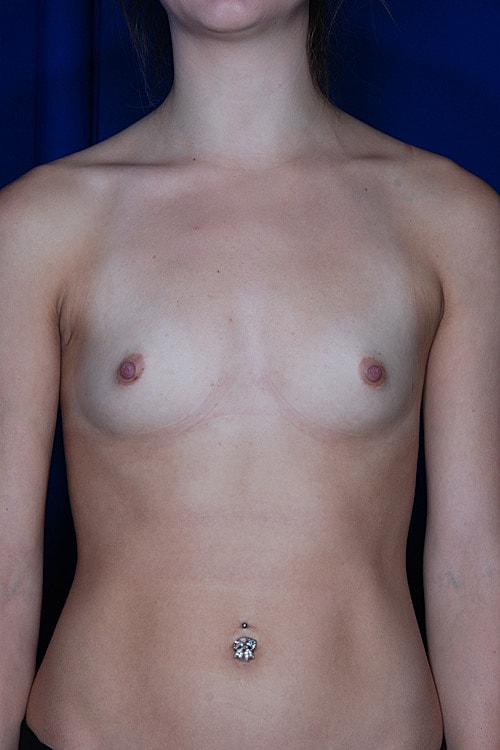
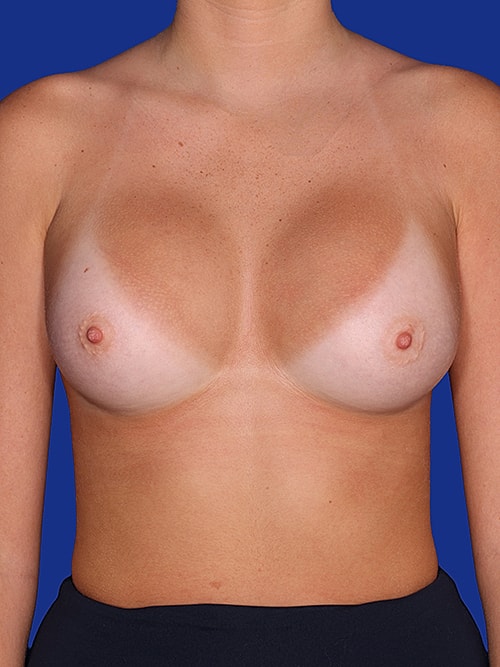
*Individual results may vary
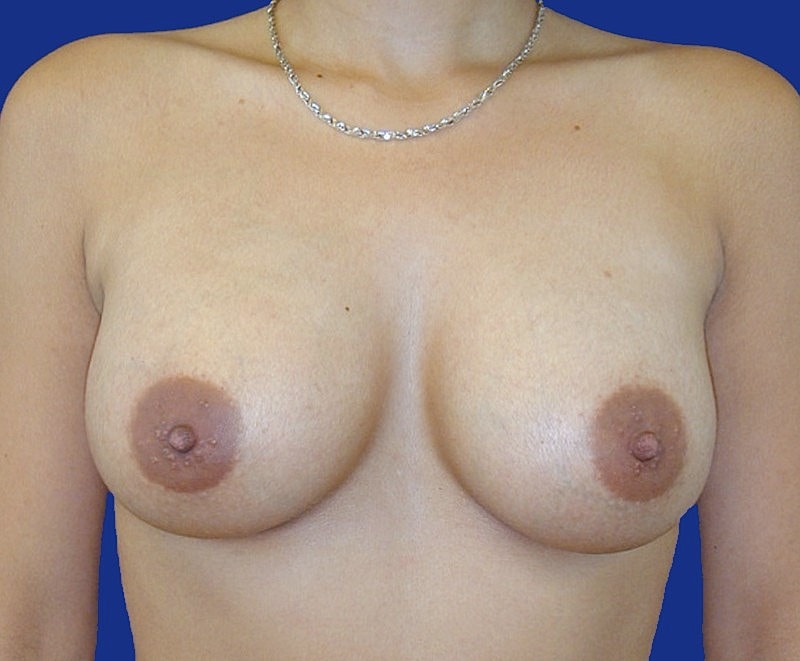
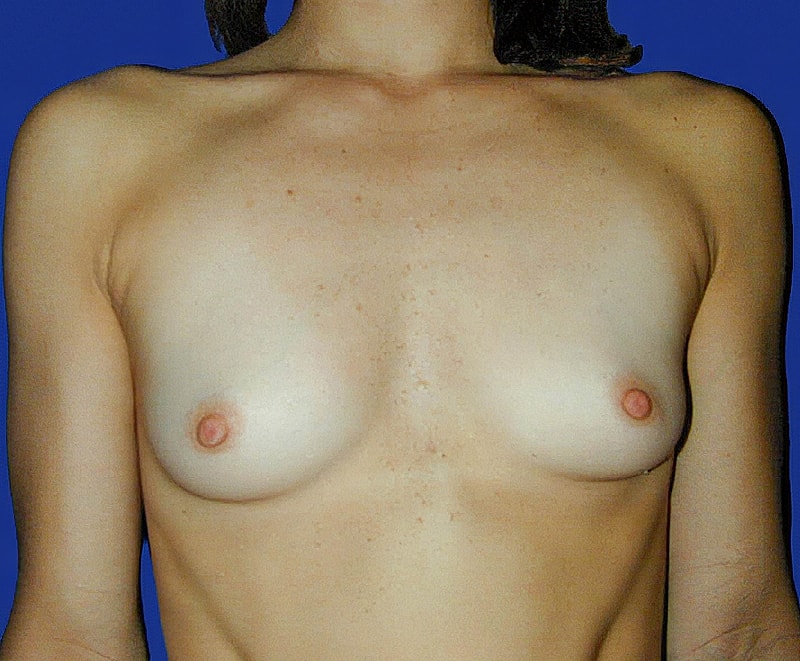
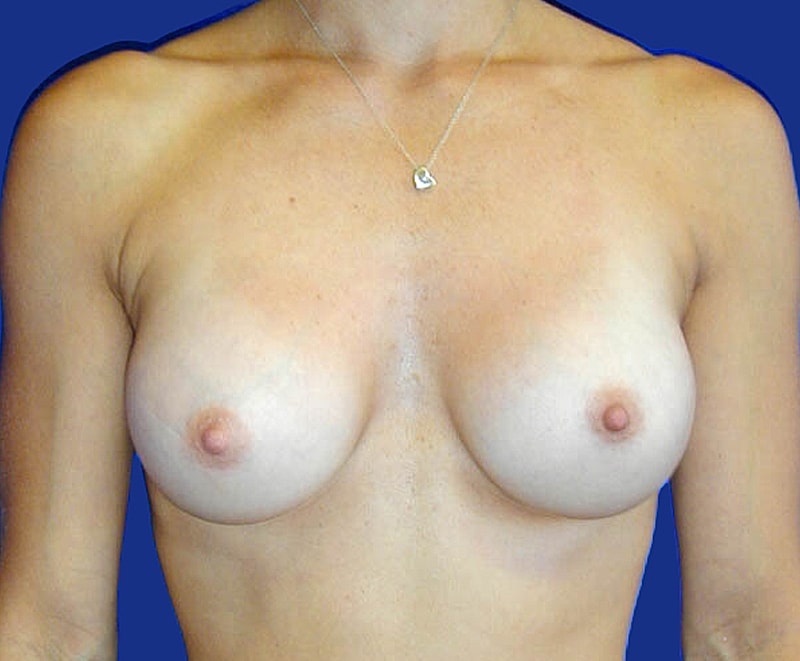
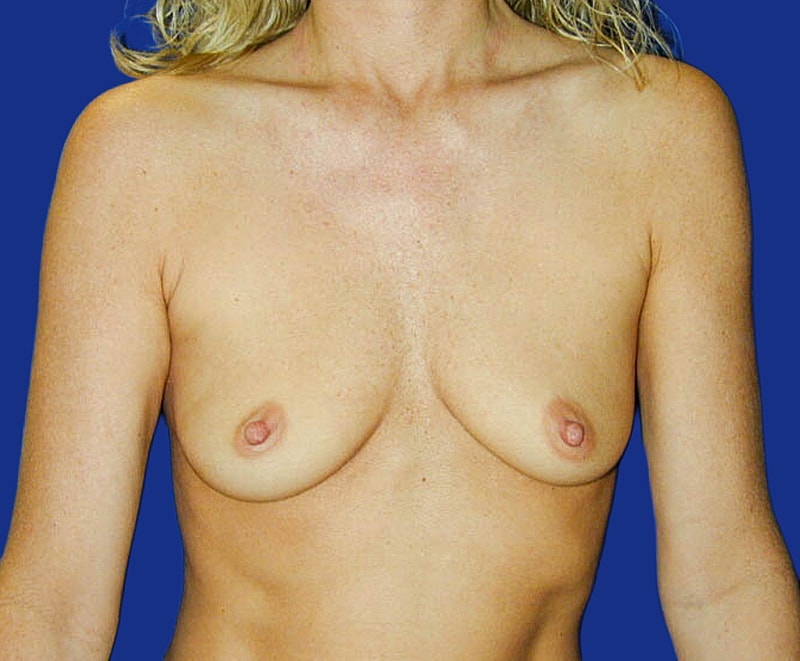
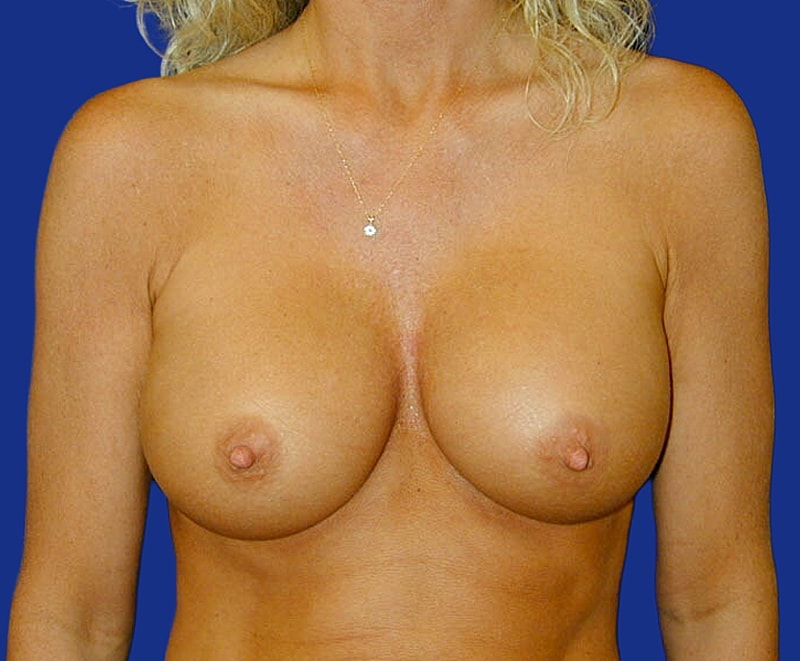
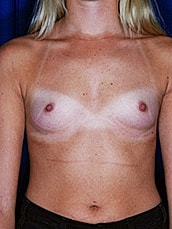
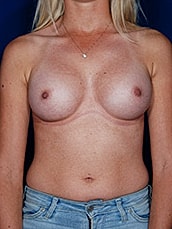
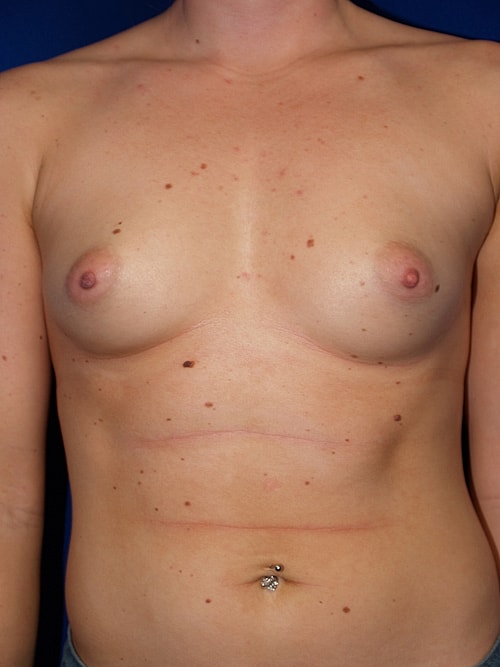
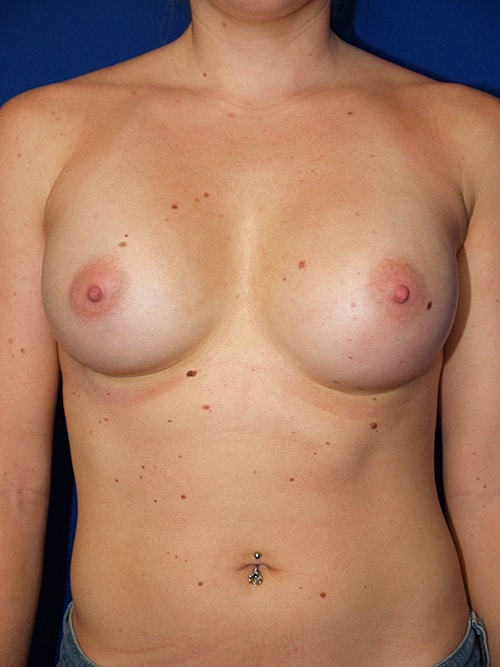
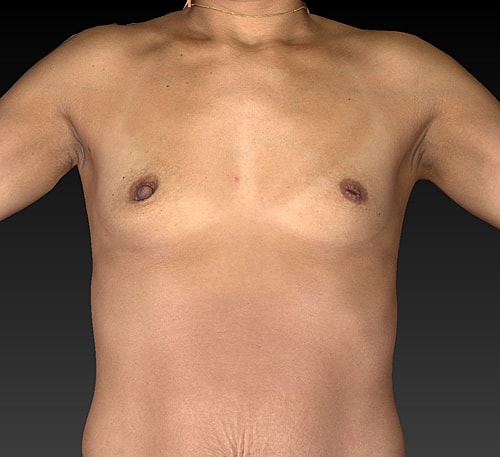
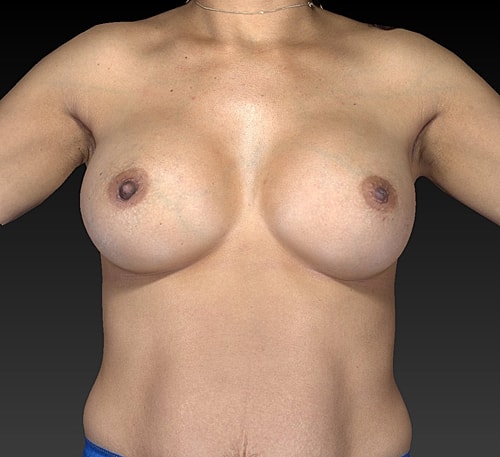
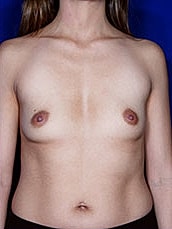
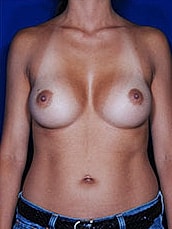
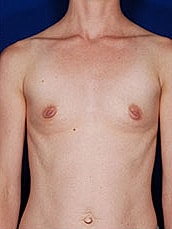
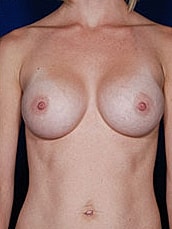
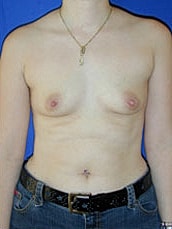
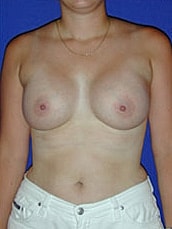
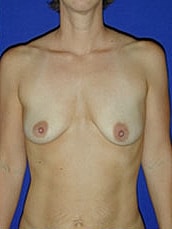
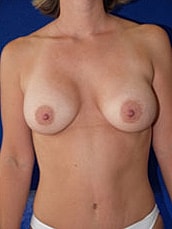
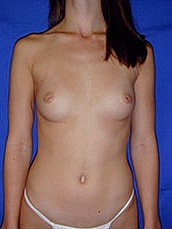
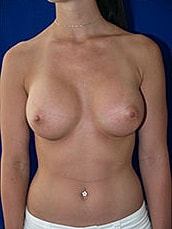
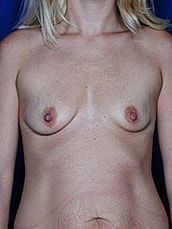
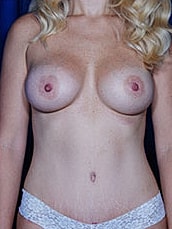
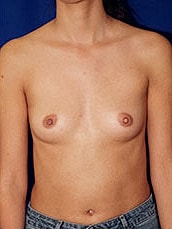
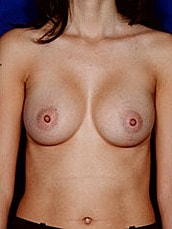
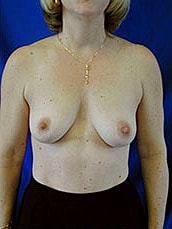
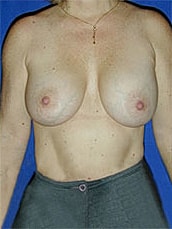
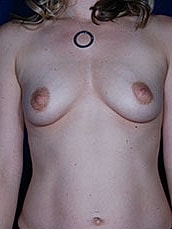
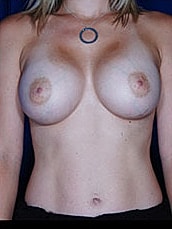
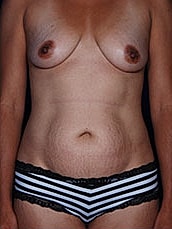
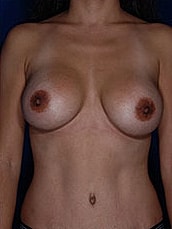
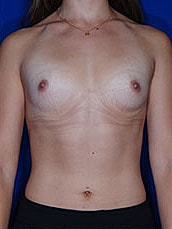
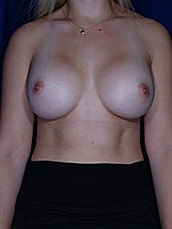
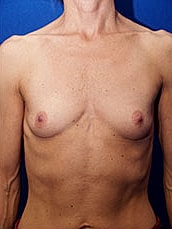
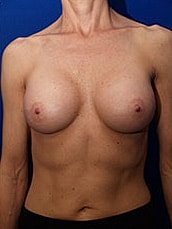
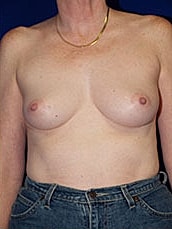
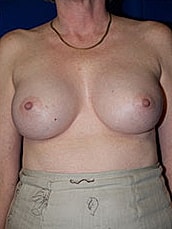
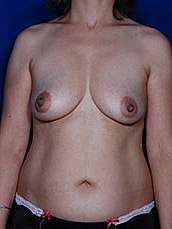
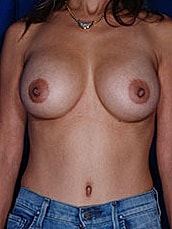
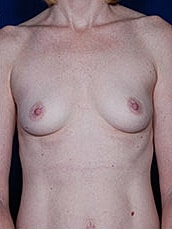
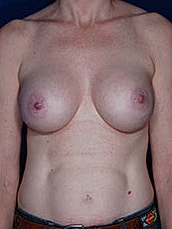
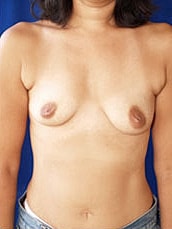
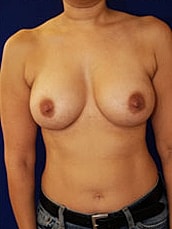
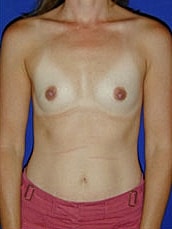
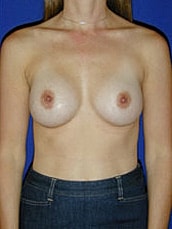
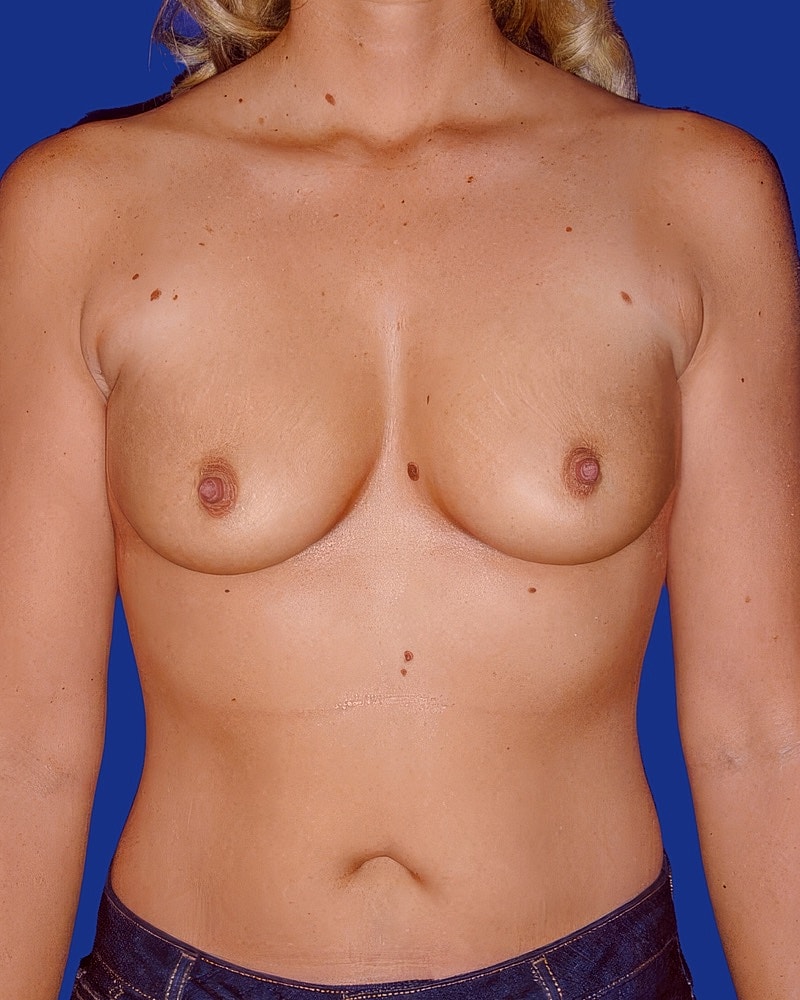
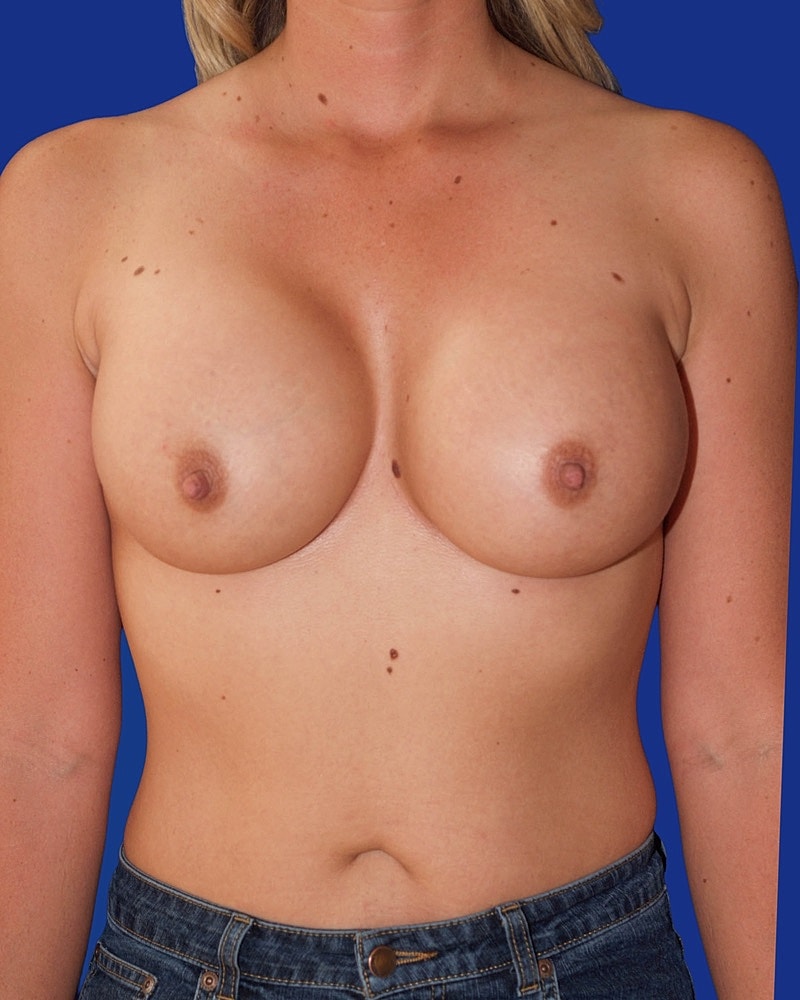
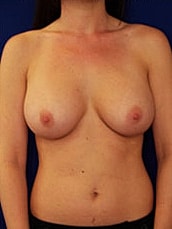
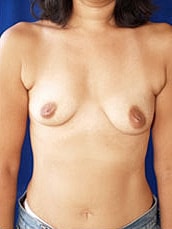
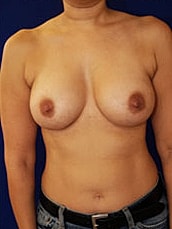
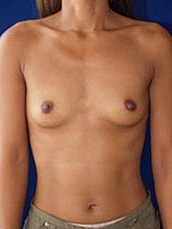
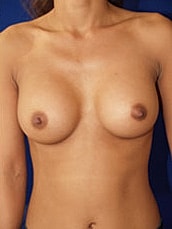
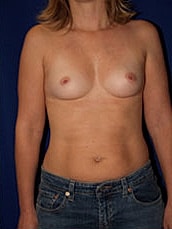
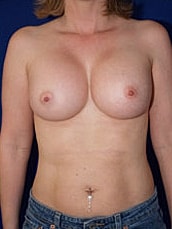
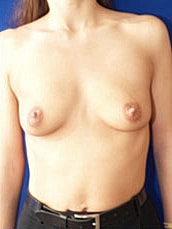
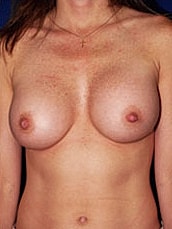
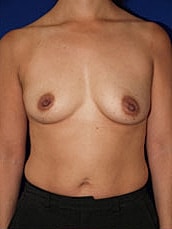
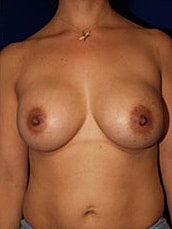
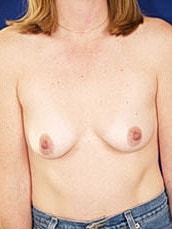
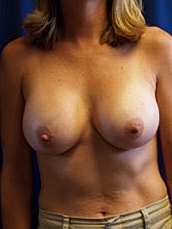
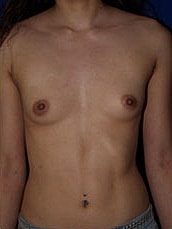
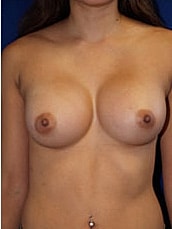
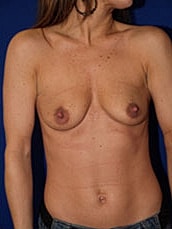
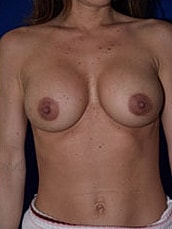
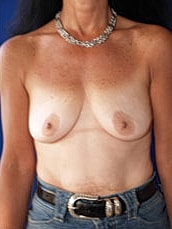
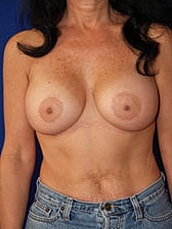
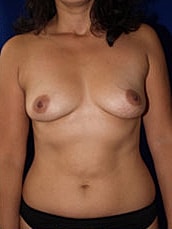
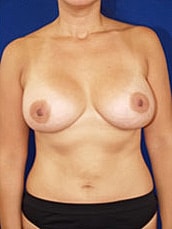
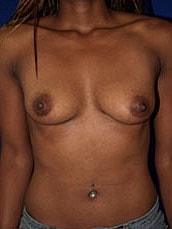
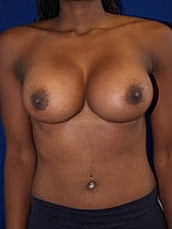
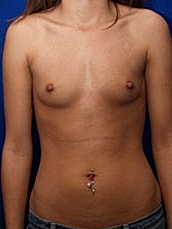
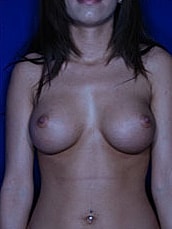
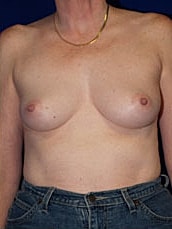
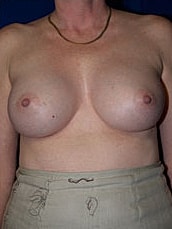
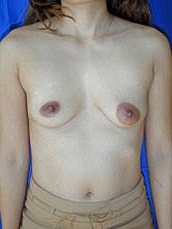
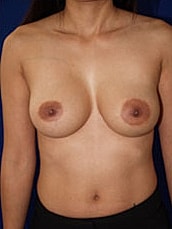
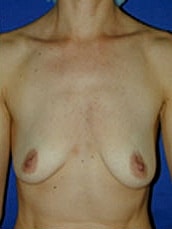
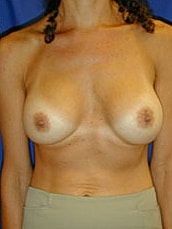
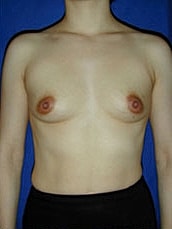
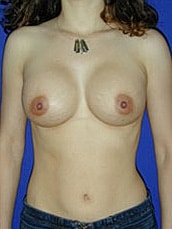
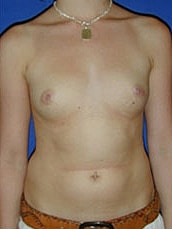
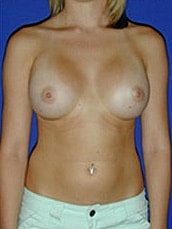
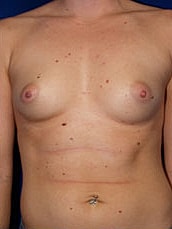
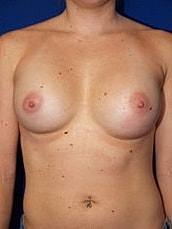
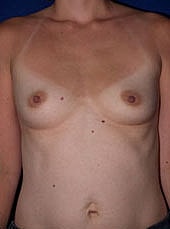
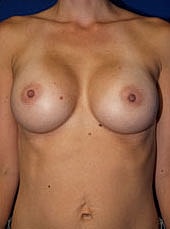
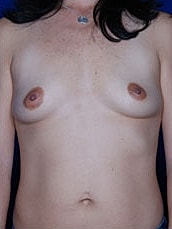
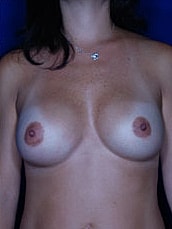
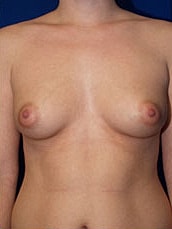
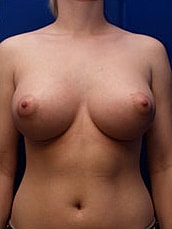
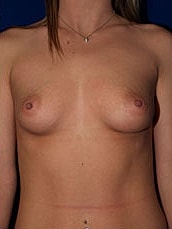
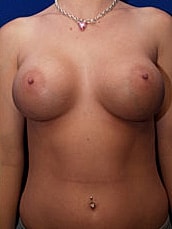
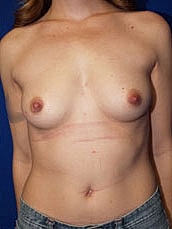
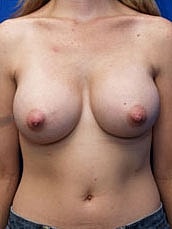
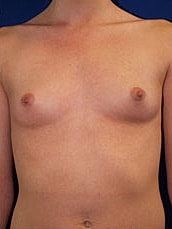
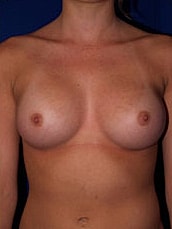
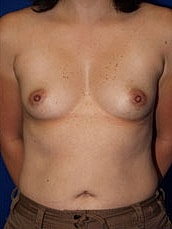
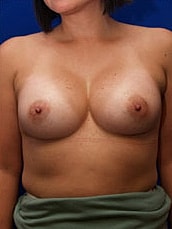
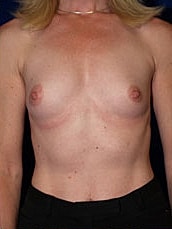
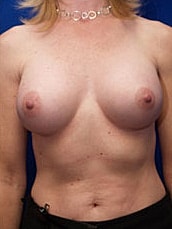
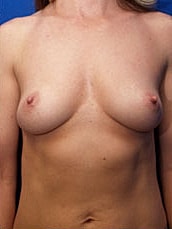
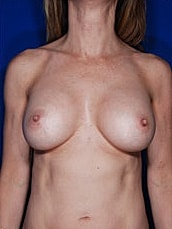
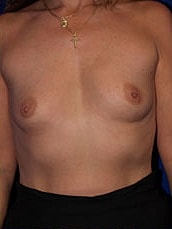
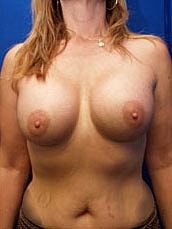
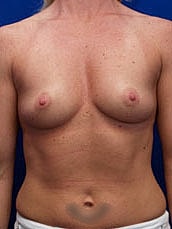
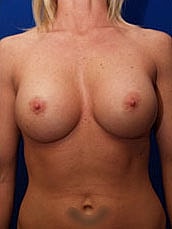
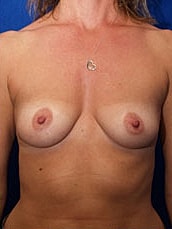
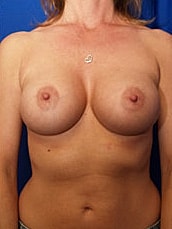
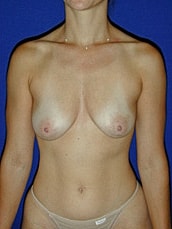
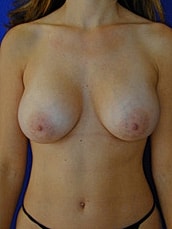
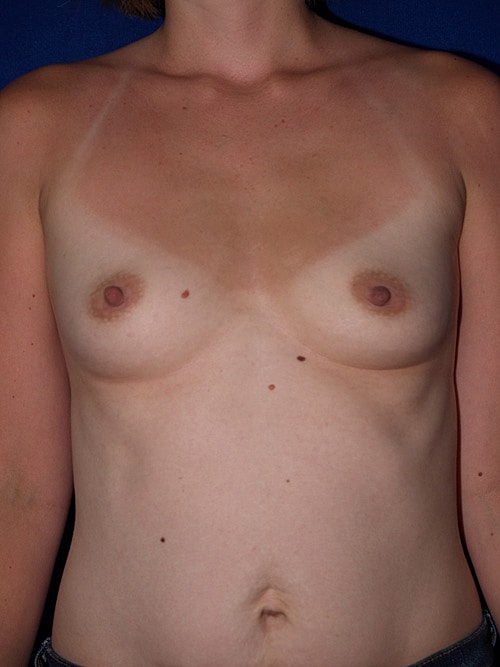
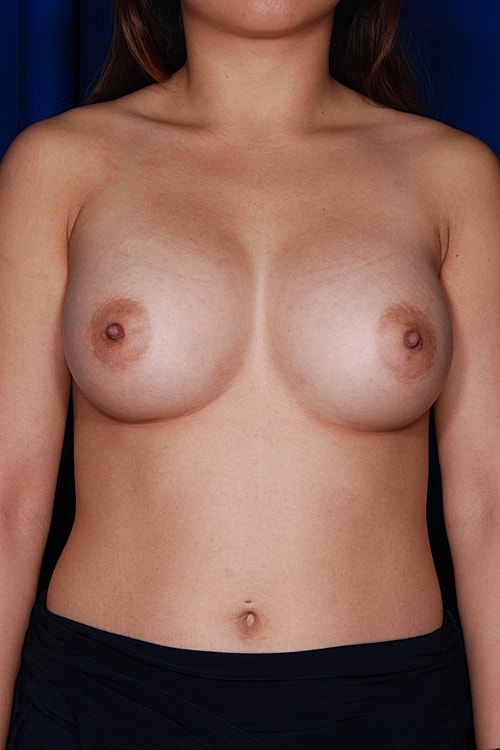
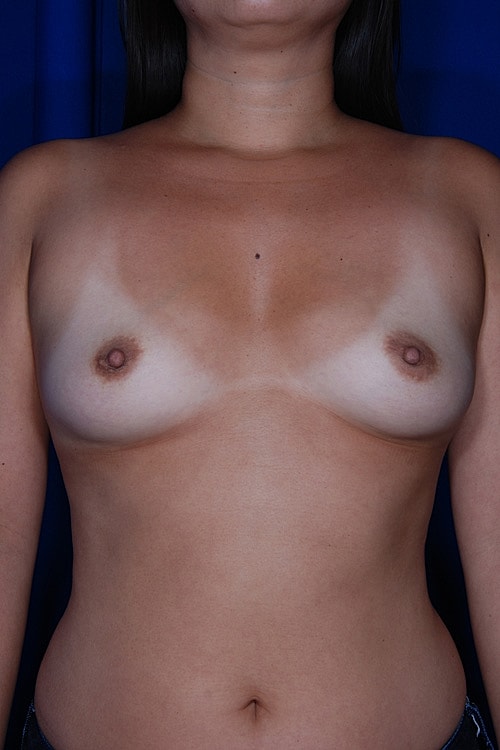
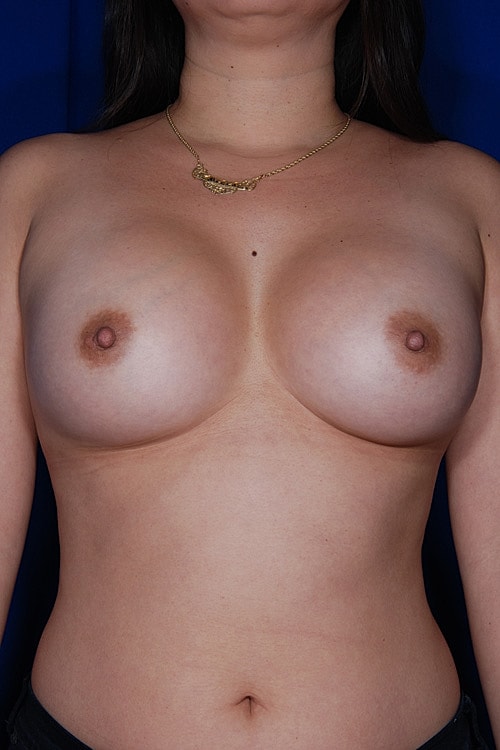
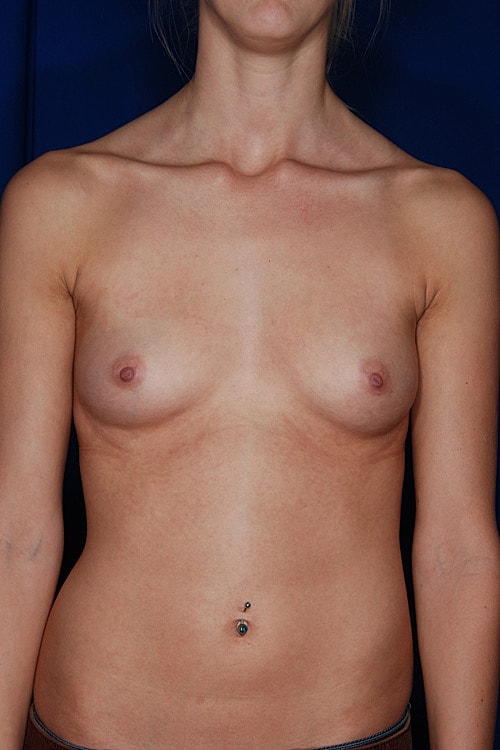
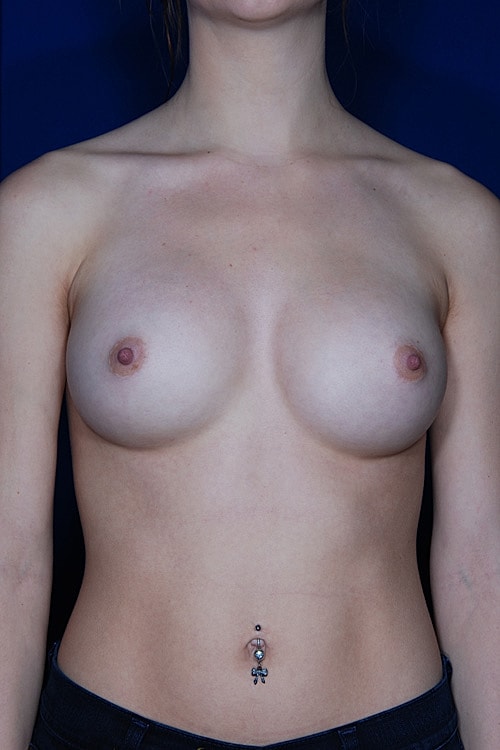
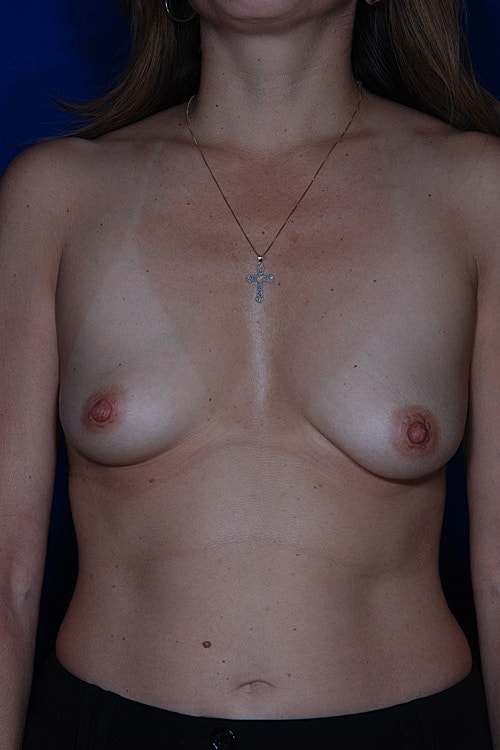
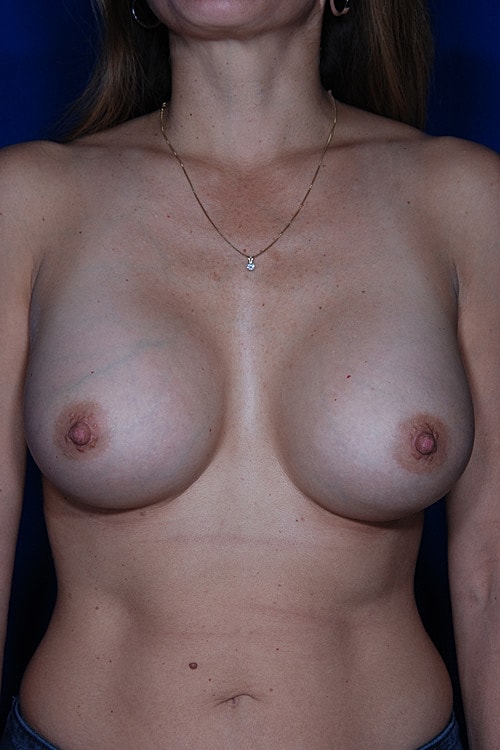
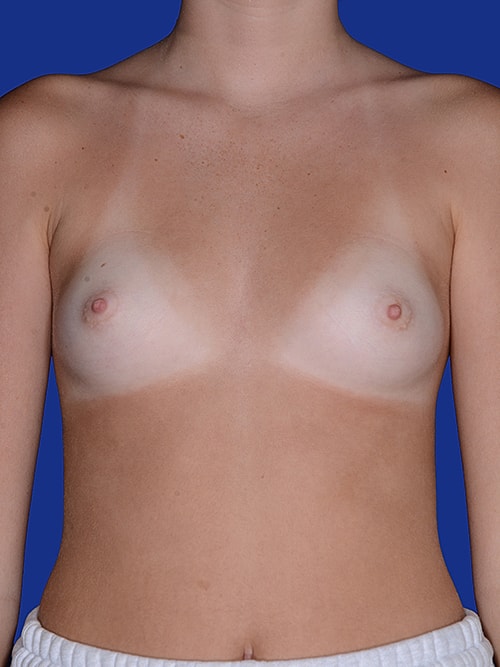
Review our breast augmentation gallery with your starting shape in mind. Notice breast width, nipple position, and how much tissue each patient had before surgery. Ask which cases involved a lift as well as implants. Photos show individual outcomes; they cannot predict yours.


Breast augmentation, also called augmentation mammoplasty or breast enlargement, increases breast volume using implants or transferred fat. Implant surgery places a saline- or silicone-filled device beneath breast tissue or the chest muscle. The operation can improve fullness and some asymmetry, while a breast lift addresses excess skin and a low breast position.
Patients consider augmentation for naturally smaller breasts or volume loss after pregnancy, breastfeeding or weight loss. Benefits may include more upper-breast fullness, greater projection and a different fit in bras or clothing. Breast implants cannot make both sides identical or reliably correct significant sagging.
Both types have a silicone outer shell. Silicone implants contain gel; saline implants contain sterile salt water. Dr. Ronan primarily uses smooth, round silicone gel implants. Saline remains an option to discuss, including its feel, visibility beneath thin tissue, and how deflation would appear.
Silicone rupture may be silent, making ongoing imaging important. Saline leakage generally produces a noticeable loss of volume, but the implant still needs evaluation and often surgery. Review the specific device’s benefits, warnings, and patient information before choosing.
Implant volume is measured in cubic centimeters, or cc; breast size also reflects your existing tissue. A particular number of cc does not translate into the same cup size for every patient. Width determines how an implant fits the breast base; profile describes how far it projects for a given width.
Dr. Ronan evaluates breast dimensions, tissue coverage, and skin stretch alongside your preferences. Bring photos that explain the amount of fullness you like, including examples you consider too large. An implant that exceeds what your tissues can support may create visible edges, stretching, or an outcome you did not intend.
Dr. Ronan generally places primary breast implants beneath the pectoral muscle. Muscle coverage can help conceal an implant, particularly when natural breast tissue is thin. Ask how your exercise habits, chest-muscle movement and existing breast shape affect the recommendation.
Incision options include the armpit, the crease beneath the breast and the edge of the areola. Dr. Ronan offers the transaxillary approach, which places the incision in the armpit. It avoids an incision on the breast itself, but leaves an underarm scar. Every approach involves permanent scars and specific trade-offs; the operative plan should identify yours.
The best candidates want a change in breast volume, have realistic expectations and are healthy enough for elective cosmetic surgery. Your breasts should be fully developed, and you should be able to arrange time off, transportation and help during recovery.
Give the doctor a complete health history, including medications, supplements, nicotine use, prior breast surgery, and any breast symptoms or abnormal imaging. Pregnancy, nursing, an active infection or uncontrolled medical conditions may mean postponing surgery. Future pregnancy and substantial weight changes can alter the result, so timing deserves discussion.
FDA-approved saline implants are indicated for cosmetic augmentation in women age 18 or older; silicone gel implants at age 22 or older. Age eligibility alone does not establish candidacy.
When nipples sit low or excess skin is the main concern, adding volume alone may leave the position unchanged. Breast augmentation with a lift can address both fullness and drooping, with additional incisions and recovery considerations.
Fat transfer breast augmentation uses fat collected through liposuction for a more modest volume change. It can suit patients who also want to remove unwanted fat from a suitable donor area. It requires suitable donor fat, and some transferred fat is reabsorbed. These methods offer different amounts of enlargement and different long-term responsibilities. Dr. Ronan can explain which option matches your anatomy and how much change is realistic. Ask how confident Dr. Ronan is that each option can provide the amount of fullness and lift you want.

Your consultation establishes implant dimensions, incision placement, and whether other procedures are appropriate. These surgical choices connect your aesthetic goals with what your tissues can support. You’ll also discuss anesthesia, expected operating time and follow-up. Before scheduling, be clear about the proposed result and the possibility of later implant surgery.
Swelling, soreness and chest tightness are common early in breast augmentation recovery. Blackhawk’s procedure information describes a return to light work in about a week for many patients. A desk job and a job that involves lifting require different planning.
Wear the surgical bra as directed and follow your instructions for dressings and pain medication. Short, gentle walks may be encouraged, while lifting, pushing and pulling remain restricted. Discuss the pain-control options for your operation rather than assuming every patient receives the same medication or device.
Heavy lifting and strenuous exercise usually need several weeks of restriction and your surgeon’s clearance. Ask specifically about carrying children, upper-body workouts and sleeping position. Do not drive while using sedating medication or until you can control the car comfortably and safely.
Contact the team promptly for worsening one-sided swelling, increasing pain, redness, fever or wound drainage. Chest pain or trouble breathing requires emergency care. Keep follow-up visits even if you feel well; comfort can improve before the tissues have healed.

Breasts often sit higher and feel firmer early on. Swelling decreases and the implants settle over the following months. Give yourself time before judging symmetry or buying a full wardrobe of new bras. Scars also change with healing, although they do not disappear.
Implants can provide lasting volume, but they are not lifetime devices. Implant rupture, capsular contracture, changes in appearance, or a change in your preferences may lead to additional surgery. Aging and weight fluctuations also change breast shape over time. There is no automatic replacement date that fits everyone.
For silicone gel implants, recommended rupture screening generally starts with ultrasound or MRI five to six years after placement, then every two to three years, even without symptoms. New symptoms may require earlier evaluation. This monitoring does not replace routine breast cancer screening. Tell the mammography team you have implants.
Surgical risks include bleeding, infection, anesthesia complications, poor healing, and unfavorable scars. Implant-related problems include rupture, visible rippling, displacement, asymmetry, pain, and capsular contracture, where scar tissue tightens around the implant. Breast or nipple sensation can change temporarily or permanently, and breastfeeding may be affected.
The FDA’s breast implant safety information also covers BIA-ALCL, a lymphoma associated more often with textured implants, reports of other cancers in the implant capsule, and systemic symptoms sometimes called breast implant illness. Review implant safety, these possible complications, and the device-specific decision checklist before consenting. Choosing a smooth implant does not eliminate every implant or surgical risk.

Dr. Stephen J. Ronan is certified by the American Board of Plastic Surgery and founded Blackhawk Plastic Surgery in 2002. His breast augmentation guidance emphasizes a full, proportionate result that fits the patient’s frame. When comparing surgeons, ask how their recommendations account for your tissue support and existing asymmetry. The proposed technique should have a clear reason, including the incision that suits the operation.
The on-site Blackhawk Surgery Center is QUAD A-accredited, with a board-certified anesthesiologist involved in surgical care. Consultations and surgery take place in Danville. For patients traveling from Oakland, the follow-up schedule and arrangements for the ride home belong in the plan from the beginning.

Your cost depends on the implants, surgical work, anesthesia and facility fees, plus any lift or other procedure. Request a written estimate that explains follow-up and other included expenses. Cosmetic augmentation is generally not covered by insurance. Blackhawk offers financing through PatientFi and CareCredit, subject to approval and lender terms.
Natural-looking results depend on how the implant fits your tissues and on the appearance you prefer. Discuss the upper-breast fullness, projection, and size you prefer. Tissue coverage, implant dimensions, and placement all affect the appearance. A reference photo cannot guarantee the same result on your body.
Some patients breastfeed successfully after surgery, while others have reduced milk production. Incision location, nerves, ducts, and your existing anatomy can influence the outcome. Discuss future nursing plans before choosing surgery. Breastfeeding cannot be guaranteed.
Implants may improve a difference in volume. Differences in nipple height, breast folds or the chest wall may need a different approach or remain after surgery. Ask which asymmetries can reasonably improve and which are likely to persist.
Not automatically. Implant condition, symptoms, and examination or imaging findings guide that decision. Keep your implant information and follow the recommended monitoring schedule. A new breast change deserves assessment regardless of how recently surgery was performed.
For breast augmentation, Oakland patients visit Blackhawk Plastic Surgery & MedSpa at 3600 Blackhawk Plaza Circle, Danville, CA 94506. Bring your questions about size, scars, recovery, and the long-term responsibilities of breast implants. A consultation with Dr. Ronan can help you decide whether the expected improvement fits your priorities and what surgery would involve.
When it comes to plastic surgery, proper care happens before, during, and after surgery day. That’s why we’ve created blueprints outlining what patients and providers need to consider to ensure success. Our pre-care and post-care guides are here to help our patients and all patients take the necessary steps to maximize their chances of safe surgery and beautiful results.
Located in Danville’s Blackhawk Plaza, Blackhawk Plastic Surgery & MedSpa is Northern California’s largest, most advanced plastic surgery and medspa center.
Patients choose our state-of-the-art facility for leading-edge surgical and non-surgical treatments—all in a luxurious, private setting. We are conveniently located in the San Francisco Bay Area to serve patients from the following locations:
PatientFi puts the patient’s best interest at the center of everything. Designed by the nation’s leading plastic surgeons, PatientFi allows you to pay for your treatment through flexible monthly payment plans, customized to fit your budget. Apply today to see which payment plan you qualify for with zero impact to your credit score!
Discover CareCredit, your health and beauty credit card. Benefit from easy monthly payments, zero upfront costs, and flexible usage for various services or follow-up visits. Take control of your well-being today.