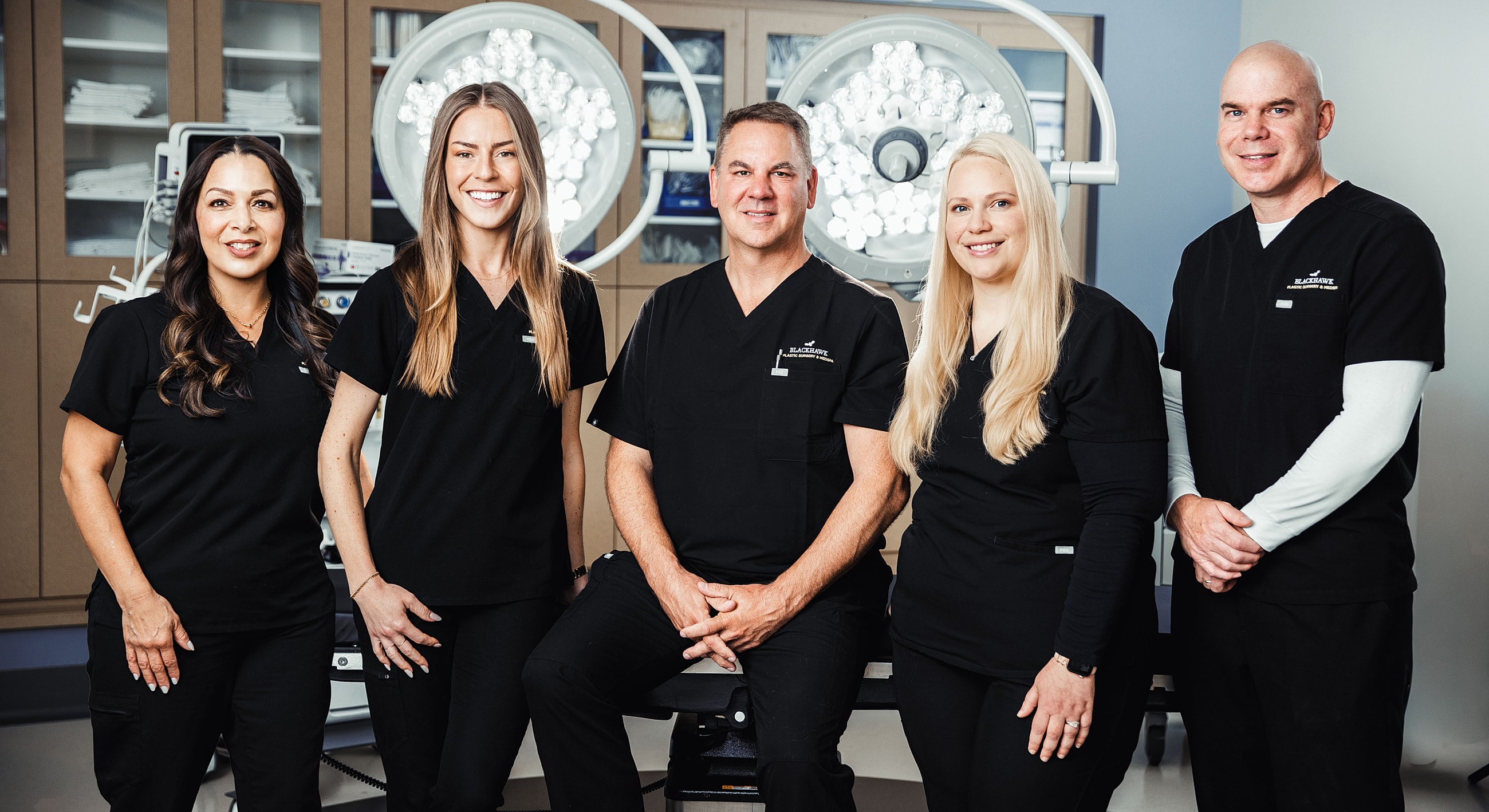
When considering plastic surgery, it’s natural to focus more on the expected result than on the surgical process. However, to be fully informed, it’s important to learn about the safety of the procedure as well as the expected outcome. Although thousands of people have plastic surgery every year without complications, no surgical procedure is risk-free.
To maximize safety, ensure that:

The American Society of Plastic Surgeons and the American Society for Aesthetic Plastic Surgery have issued a statement to their members that by July 1, 2002 all plastic surgery performed under anesthesia, other than minor local anesthesia and/or minimal oral tranquilization, must be performed in a surgical facility that meets at least one of the following criteria:
There is always risk with any surgical procedure. However, as a patient, you can play an important role in reducing your risk by providing a full and complete health history to your surgeon.
Certain elements of your personal or family health histories may increase your risk of certain complications. This will be reviewed by the doctor prior to the surgery.
Anesthesia care in an accredited or licensed facility has reached a level of sophistication that is absolutely comparable to the care received in the hospital. For maximum safety, ASPS recommends that:
Before any type of anesthesia is used, the surgeon and anesthesiologist must take a full medical history. A physical examination and appropriate lab tests may also be performed. Your surgeon needs to know if you have any serious medical problems or have had previous adverse reaction to any other type of anesthesia. Also, you must let the anesthesiologist know about any medications you are taking (including herbal supplements), any known drug allergies, when you last ate and whether you smoke cigarettes, use alcohol or illegal drugs.
You should be assured that you will receive individual monitoring by skilled, licensed personnel before, during and after the procedure. Staff who are familiar with the warning signs of cardiac or respiratory distress and are trained in advanced cardiac life support (ACLS), should be on hand to monitor your procedure and recovery following your surgery.
If you are told that you will be kept overnight at the surgical facility while you recuperate, make sure that the facility is accredited by a recognized agency. In an accredited facility you will receive around-the-clock care and monitoring by two or more skilled and licensed staff members with at least one trained in ACLS. You will also be assured that the facility has the necessary equipment and medications to handle complications that may arise and an emergency plan in case you need to be transferred to the hospital.
Most importantly you must feel comfortable with your surgeon. You should also carefully consider where you surgeon wishes to perform your procedure. Make sure your surgeon is qualified to do the procedure you are considering in a local hospital before allowing it to take place in an office based surgery center. Some surgeons operate in office ORs in order to do procedures they have not been credentialed to do in the hospital.
Yes. Please ask for a list of patients if desired.
Consultations are complimentary.
Yes, once you have had your consultation, a patient coordinator will help you submit an application, which takes a very short time to complete. You will receive an answer regarding approval very quickly.
Plastic surgery is named from the Greek word “plastikos” which means “to shape”, based on the surgeon re-shaping the form of the patient’s form through surgery. It has nothing to do with the types of materials used in the surgery itself. In surgery, many different materials may be utilized, depending on the desired results and the type of surgery. Frequently, the surgeon will make use of the patient’s own tissues, including tissues from another location of the body, or by reshaping the existing tissues to achieve a better appearance. Historically, many materials have been used in cosmetic and reconstructive surgery, including ivory, wood, and others. In modern times, hard silicone rubber is a popular material. This should not be confused with the gel silicone which has sparked so much controversy through its use as a filler for breast implants.
Any time a cut or incision is made in the skin, there is a scar left behind as part of the normal healing process. Plastic and Reconstructive Surgeons have received special training and have extensive experience with minimizing the size of these scars, creating the least noticeable appearance of then, and locating them in the least conspicuous areas possible. Often the scars will become undetectable to all but the most careful examination over the course of time. In addition, scars may be hidden in the hair, along a wrinkle, in the mouth, etc. to minimize the visibility of the scar. Other times scars are more visible. The approximate placement and length of the incisions will be discussed before surgery. You can review patients photos with similar incisions.
We recommend
2323 San Ramon Valley BlvdSan Ramon, CA 94583
Ask for : Julie Thomas Director of Sales* 925-743-1882
*Mention Bishop Ranch for special rates.