Call
 Book Online

Keep Your Own Expression
A mini facelift is a term patients use for a more limited facial lift. At Blackhawk, every facelift is planned around your anatomy, concerns and goals. The consultation determines which tissues need support, the extent of surgery, and the improvement that is realistic.
At Blackhawk Plastic Surgery & MedSpa, board-certified plastic surgeon Stephen J. Ronan, MD, FACS, evaluates the whole face before recommending a limited lift, a more extensive facelift or another approach. Your consultation covers the expected change, incision placement, recovery, and cost. All facelift procedures are performed under general anesthesia at our on-site Blackhawk Surgery Center in Danville, CA. We serve patients across the East Bay and San Francisco Bay Area.
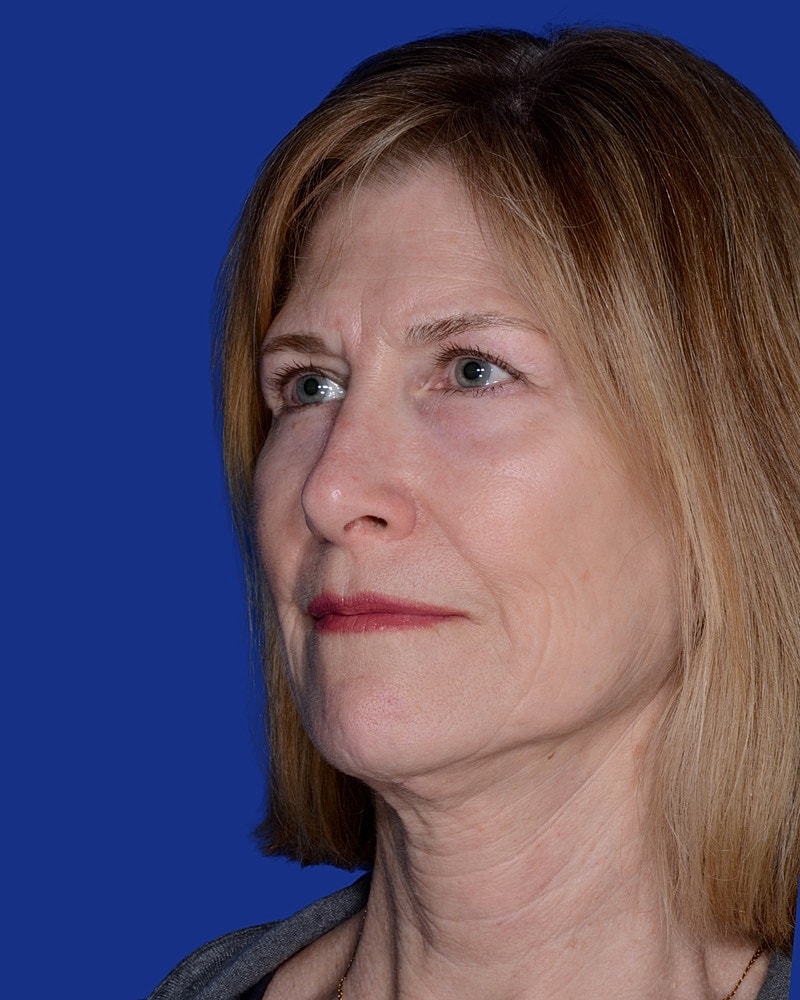
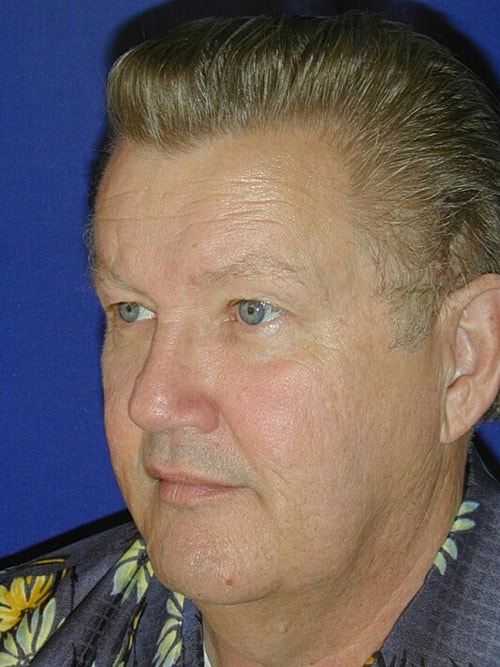
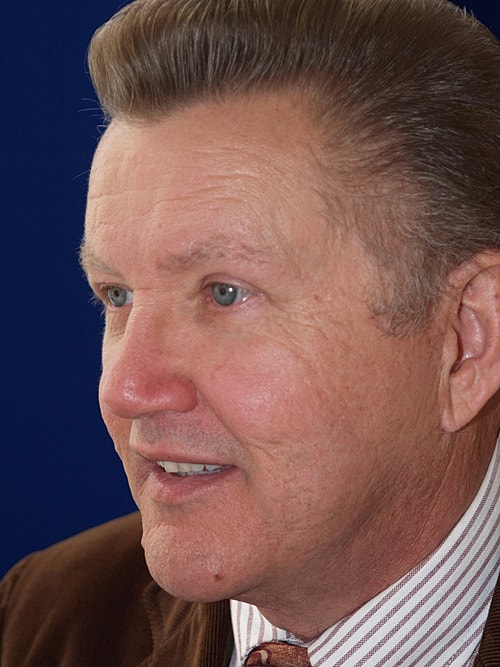
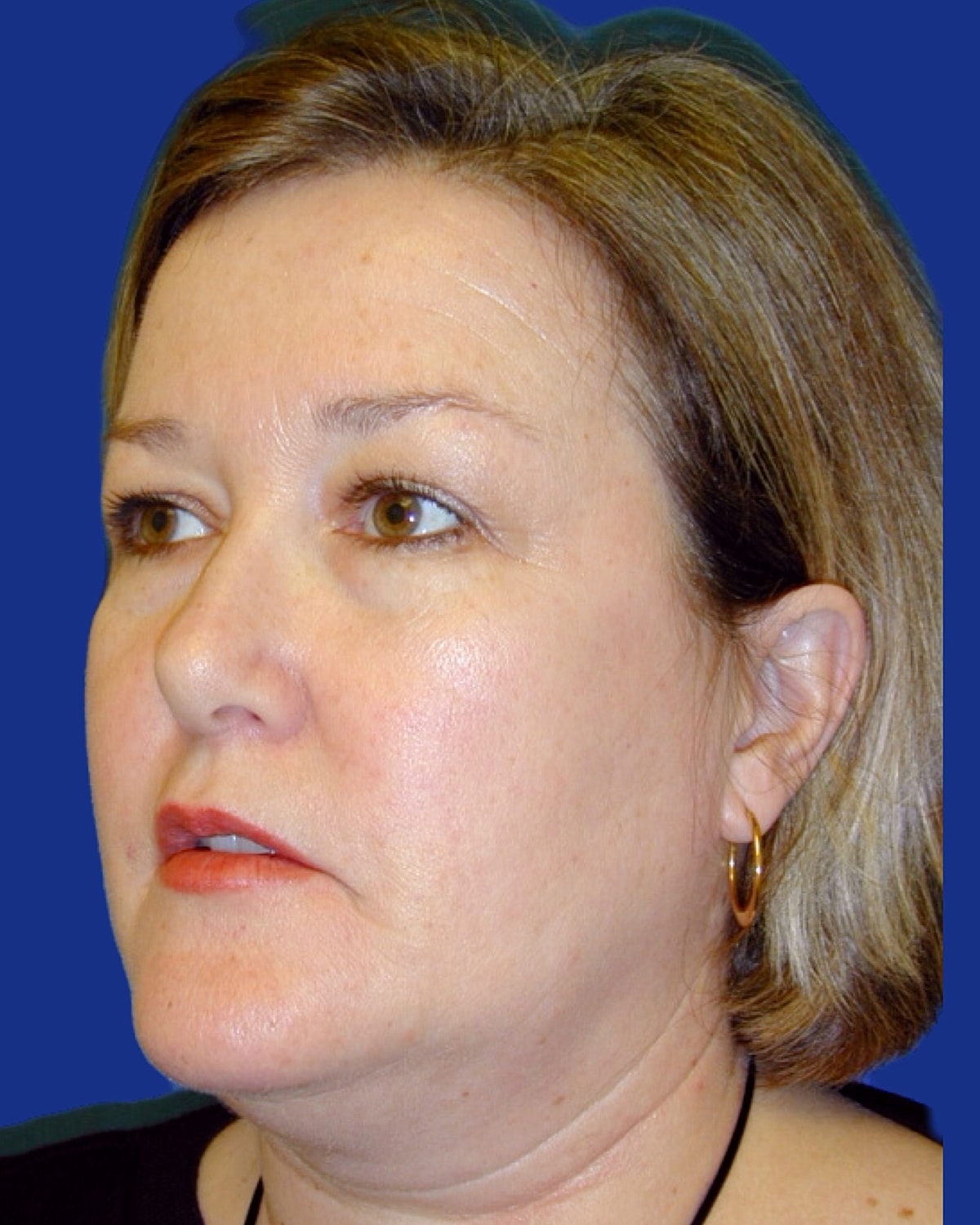
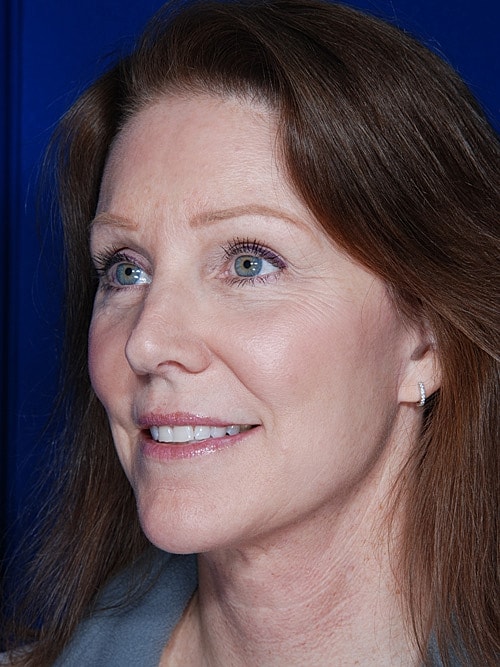
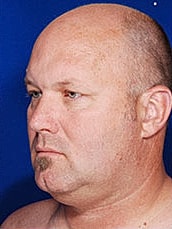
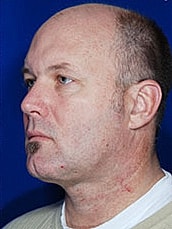
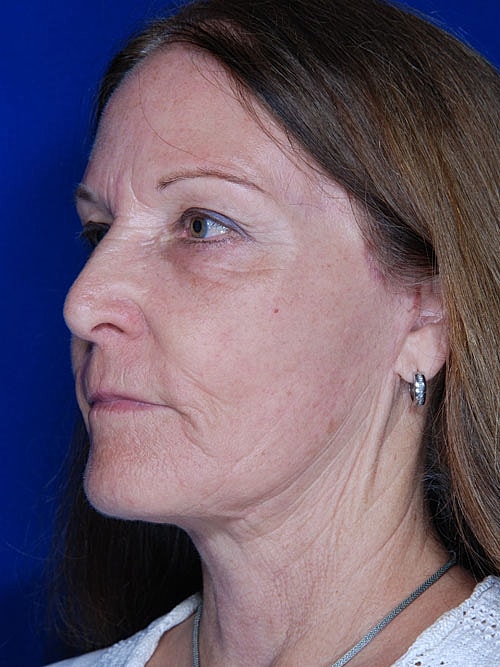
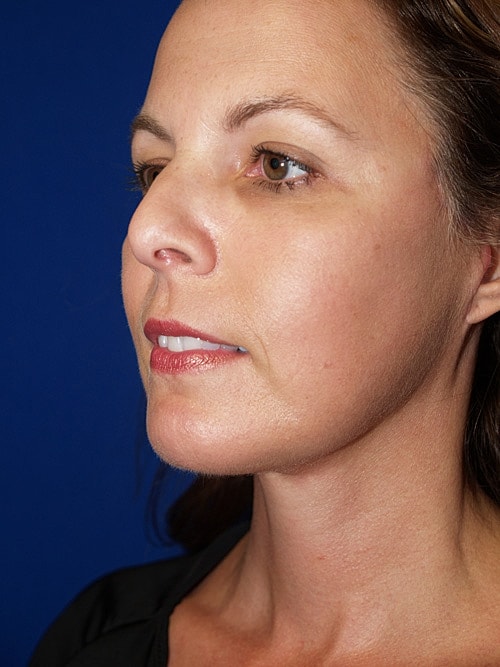
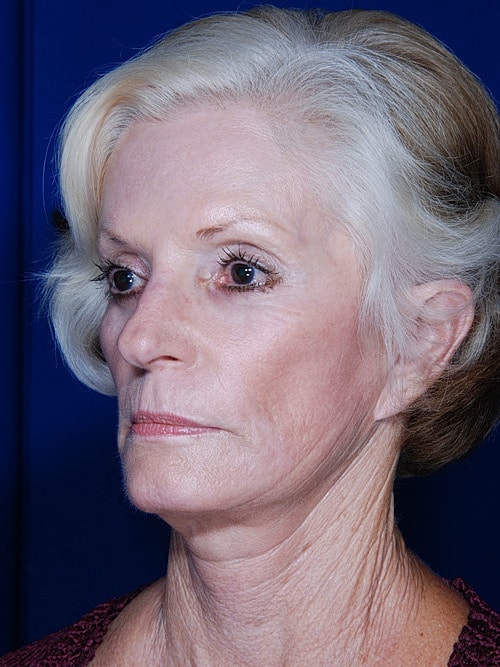
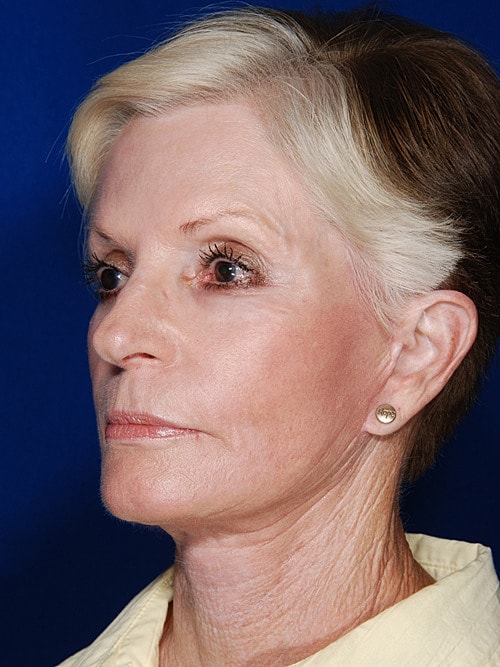
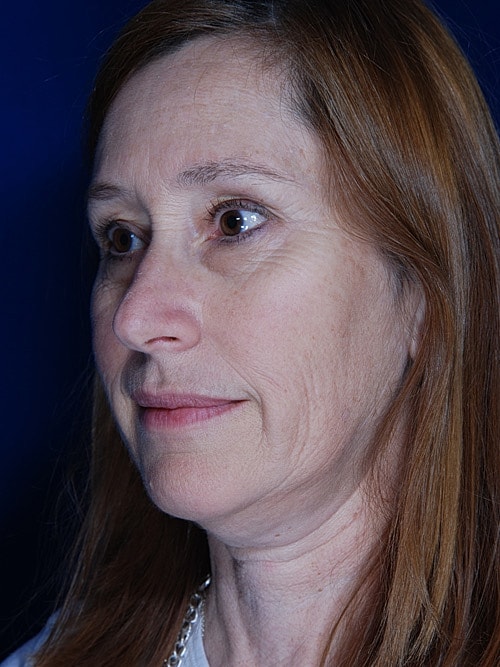
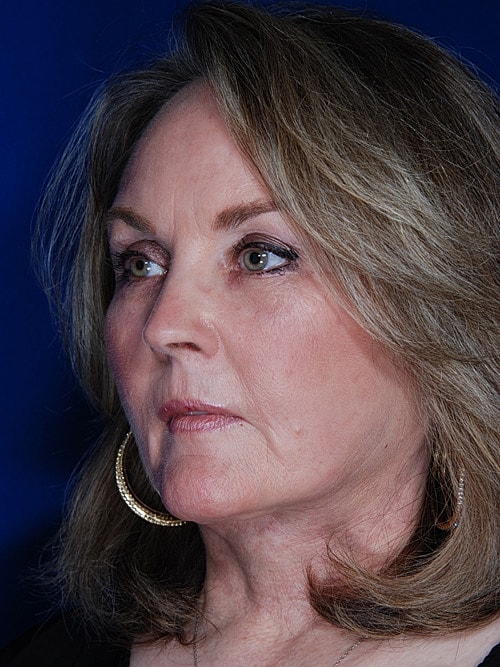
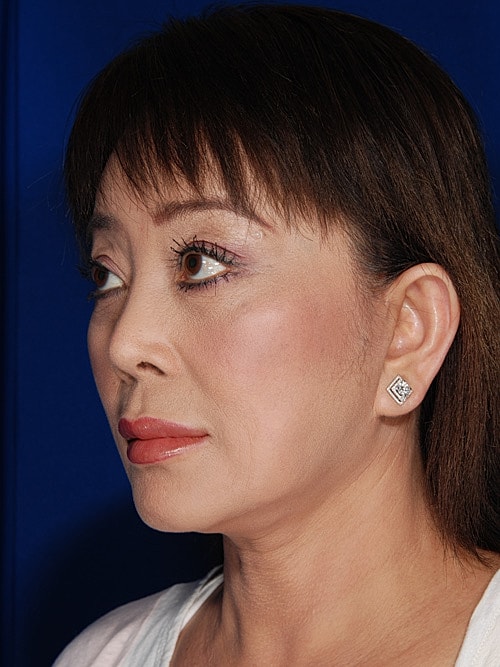
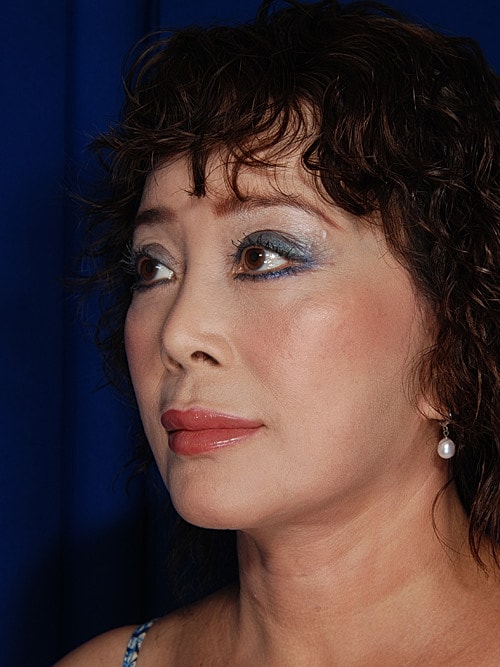
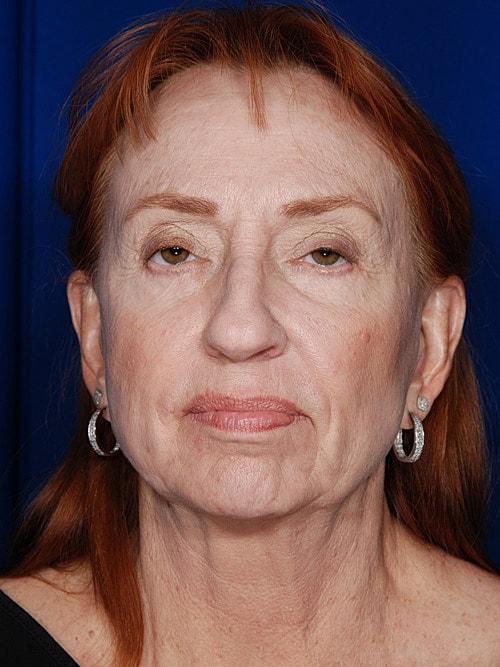
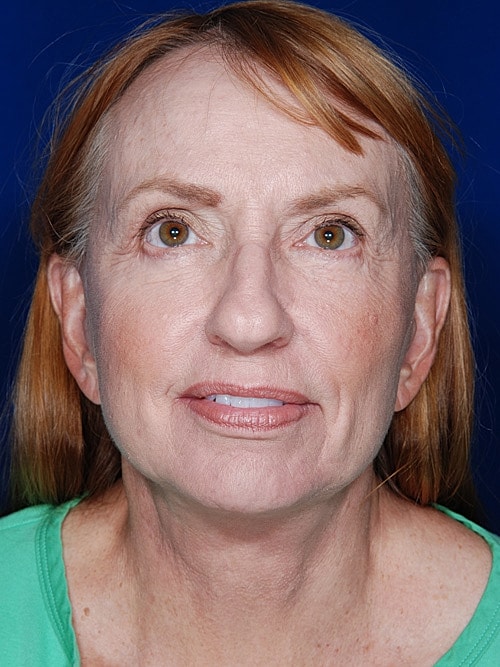
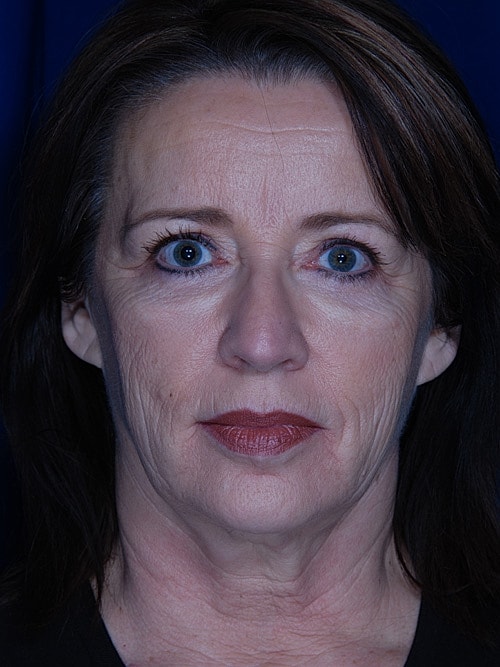
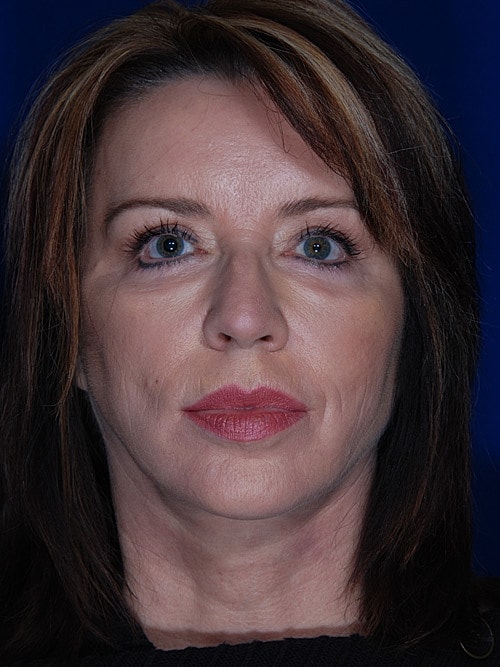
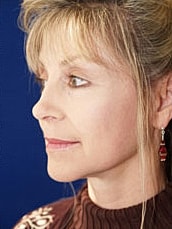
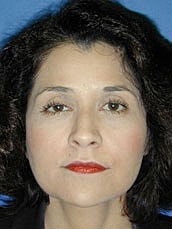
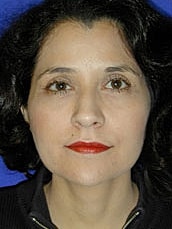
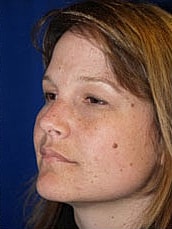
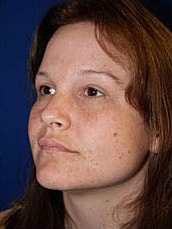
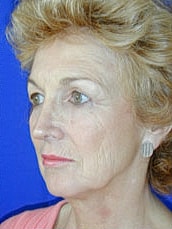
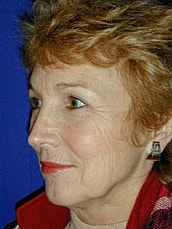
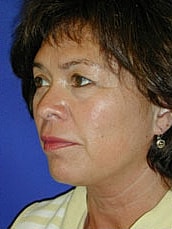
Compare The Starting Point
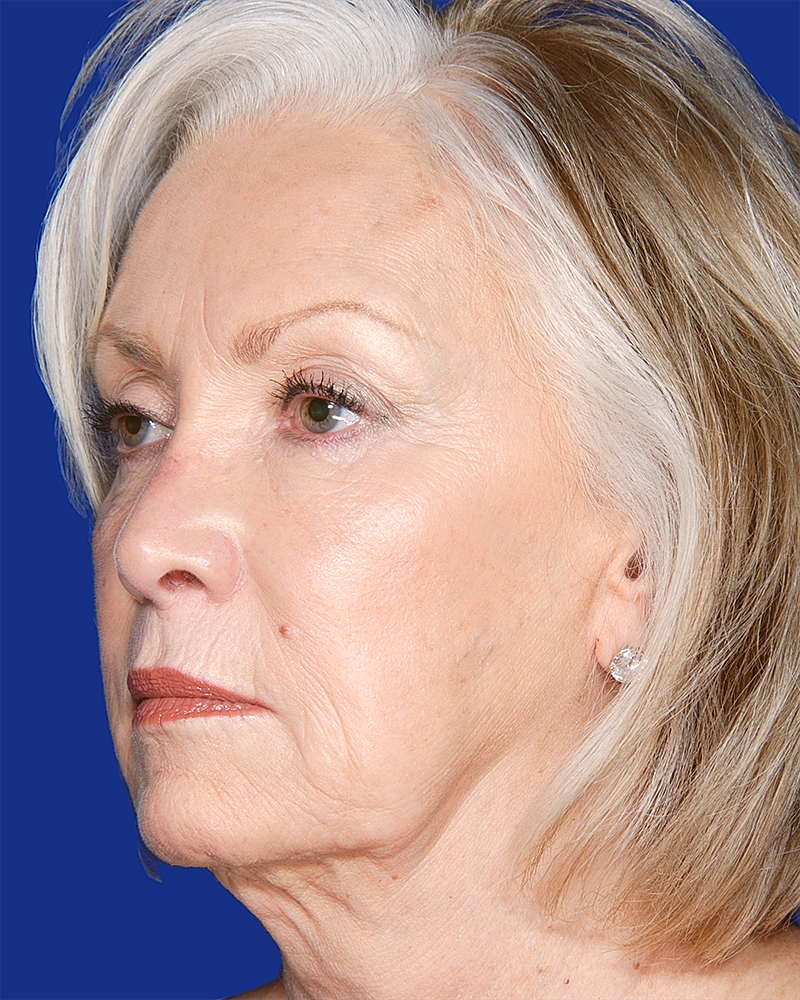
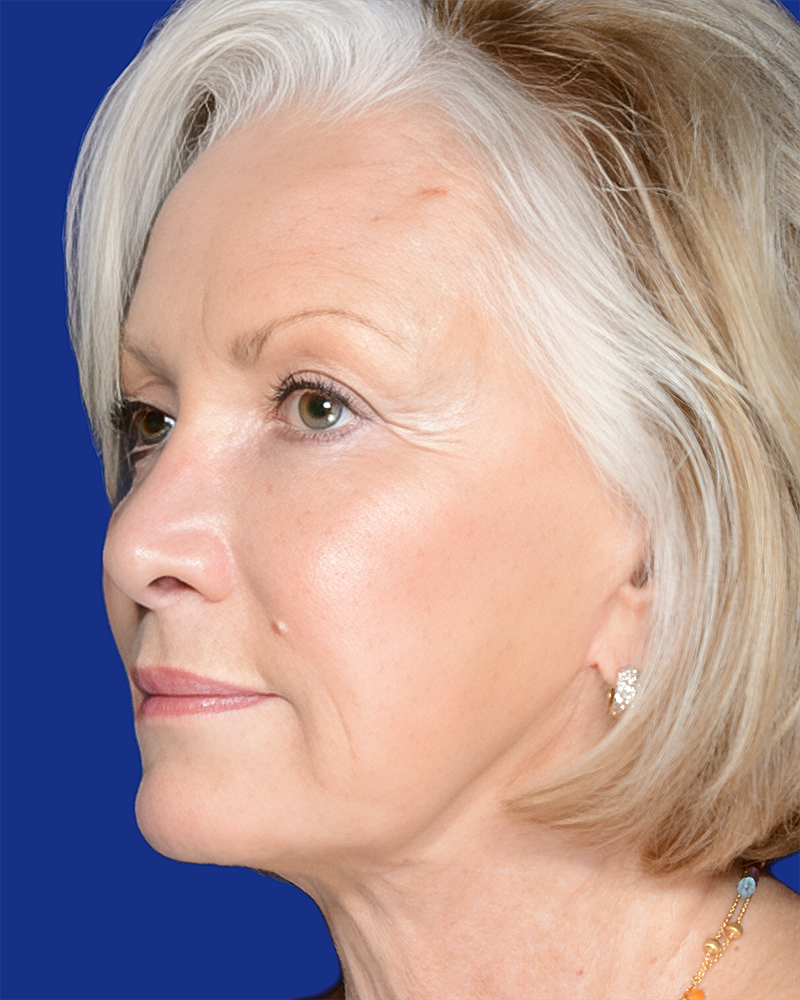
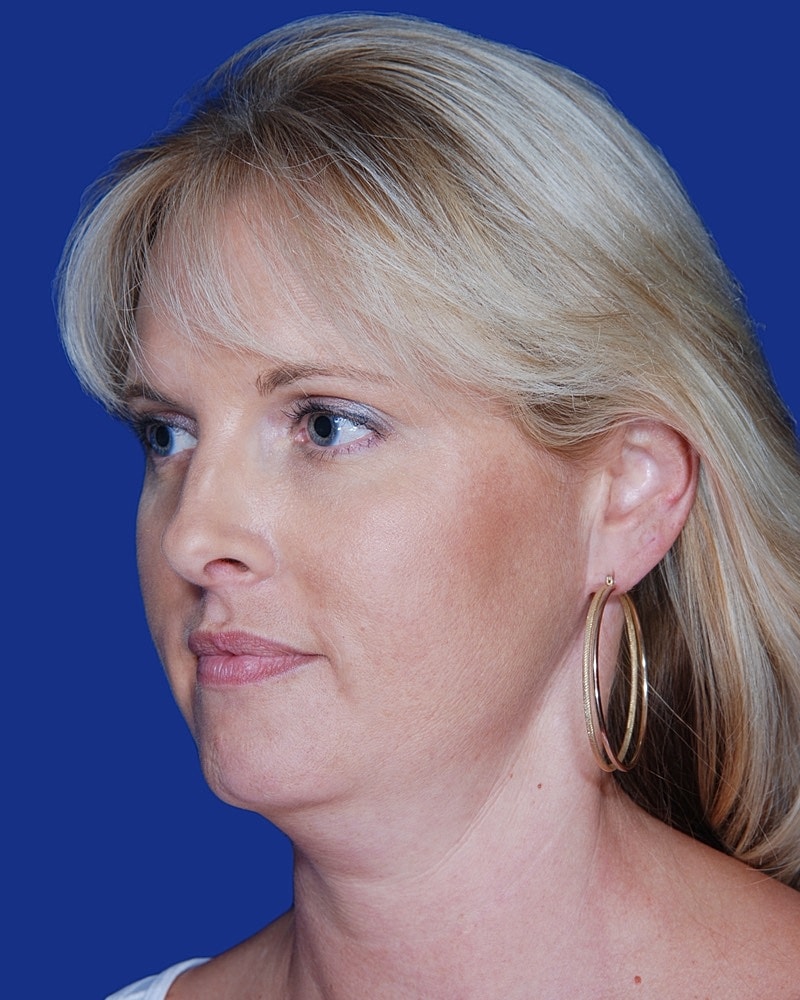
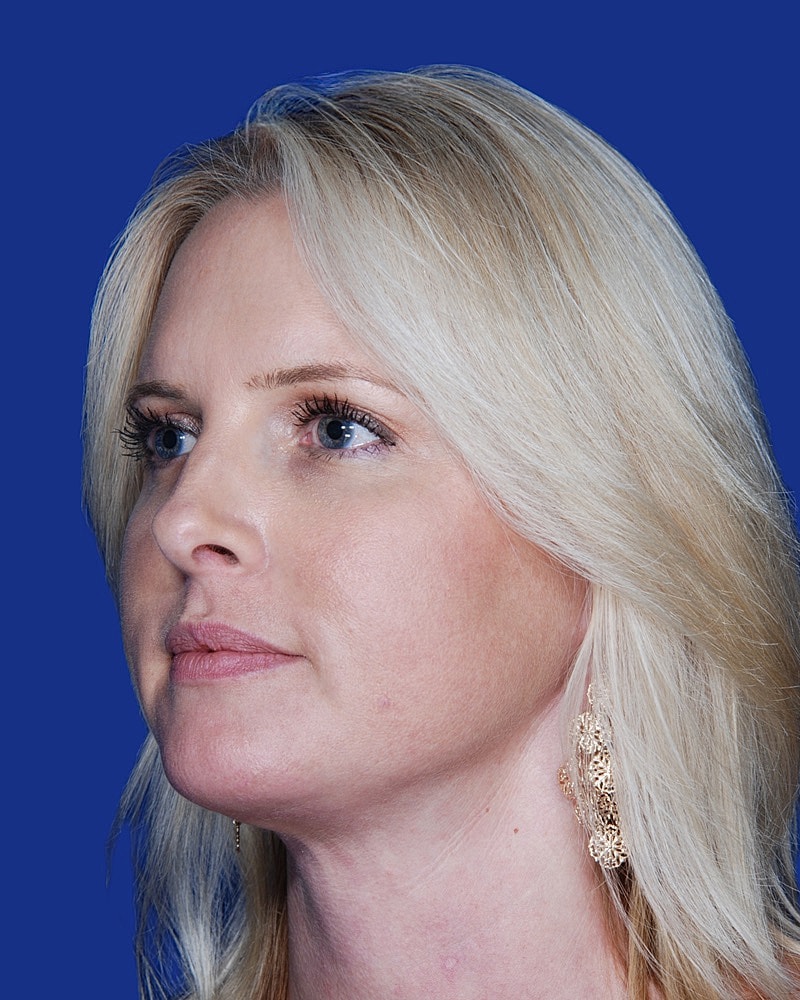
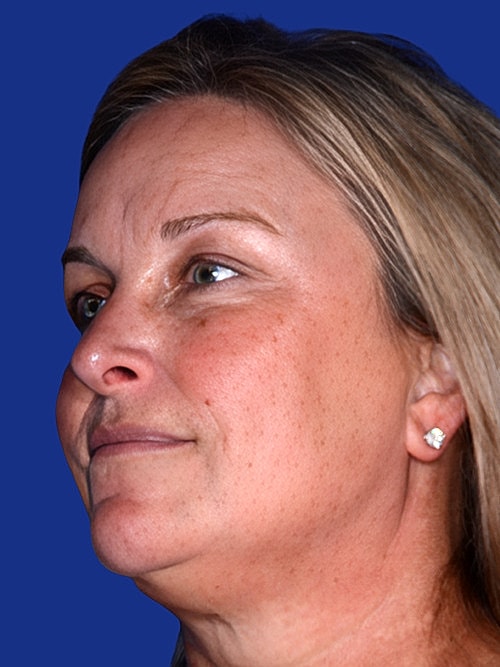
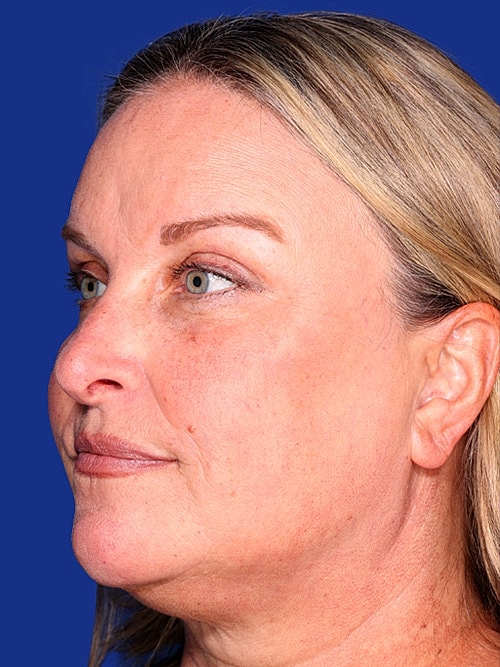
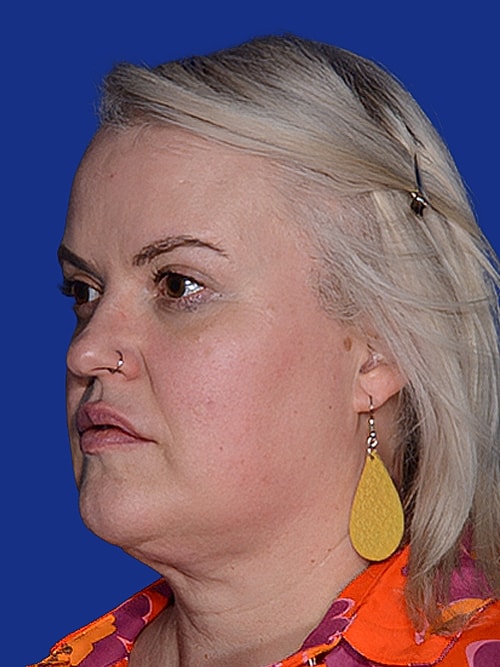
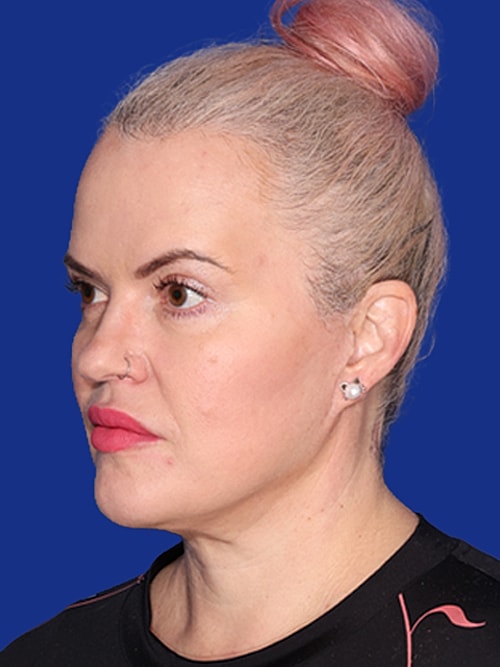
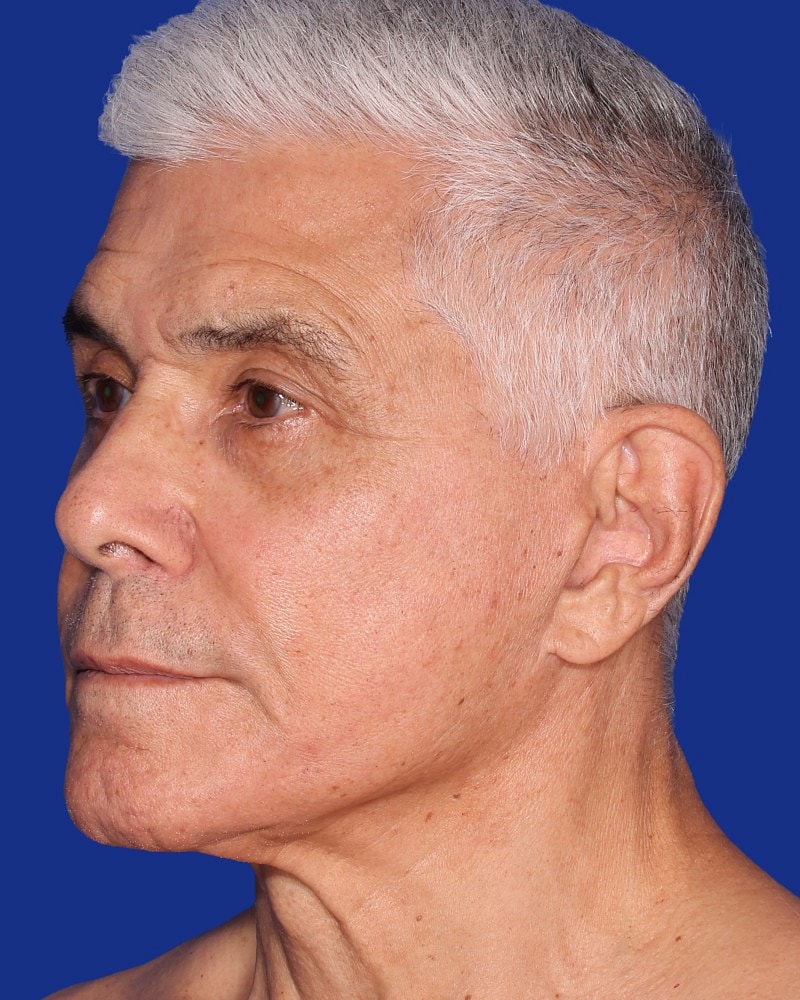
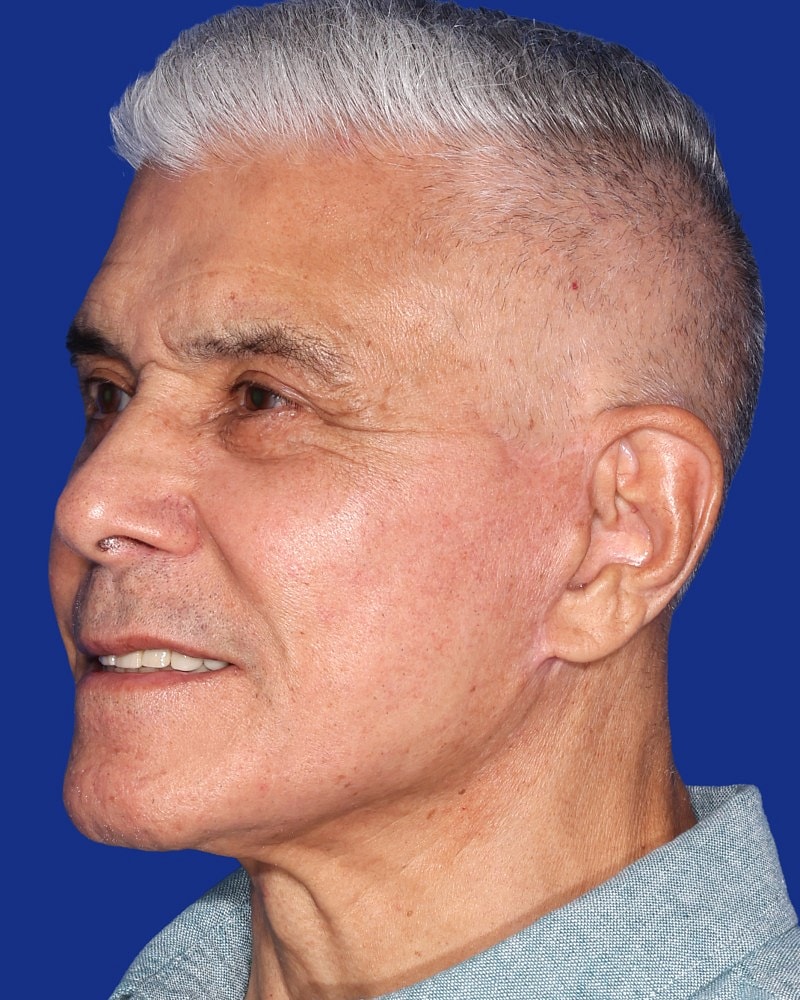
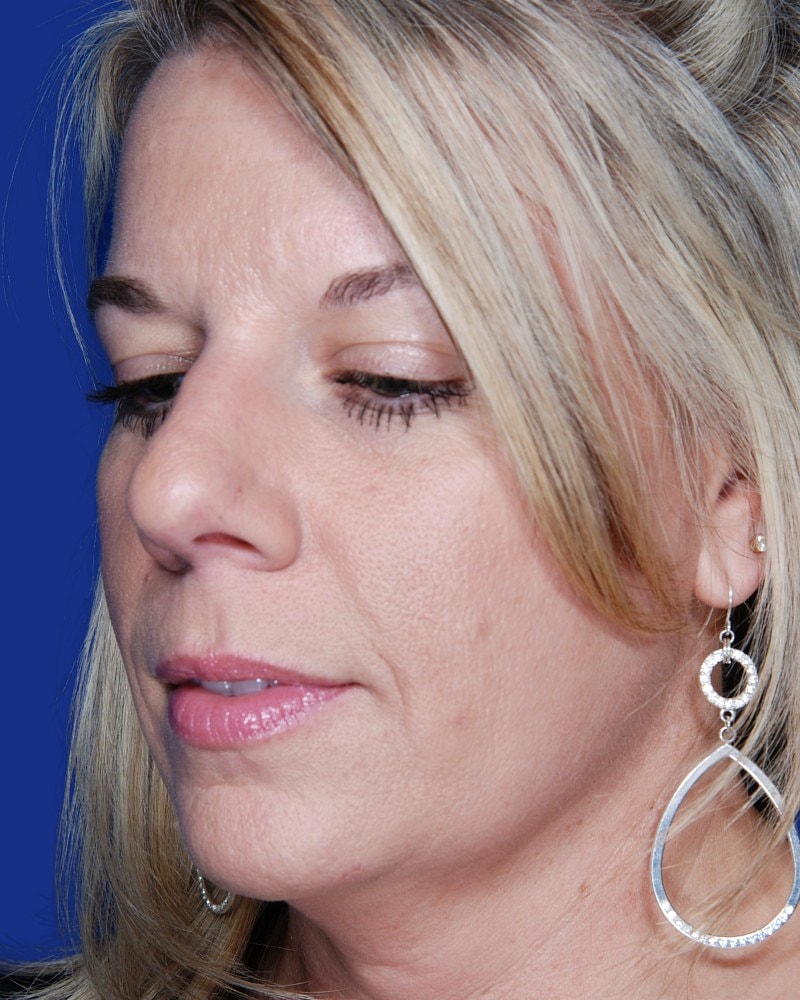
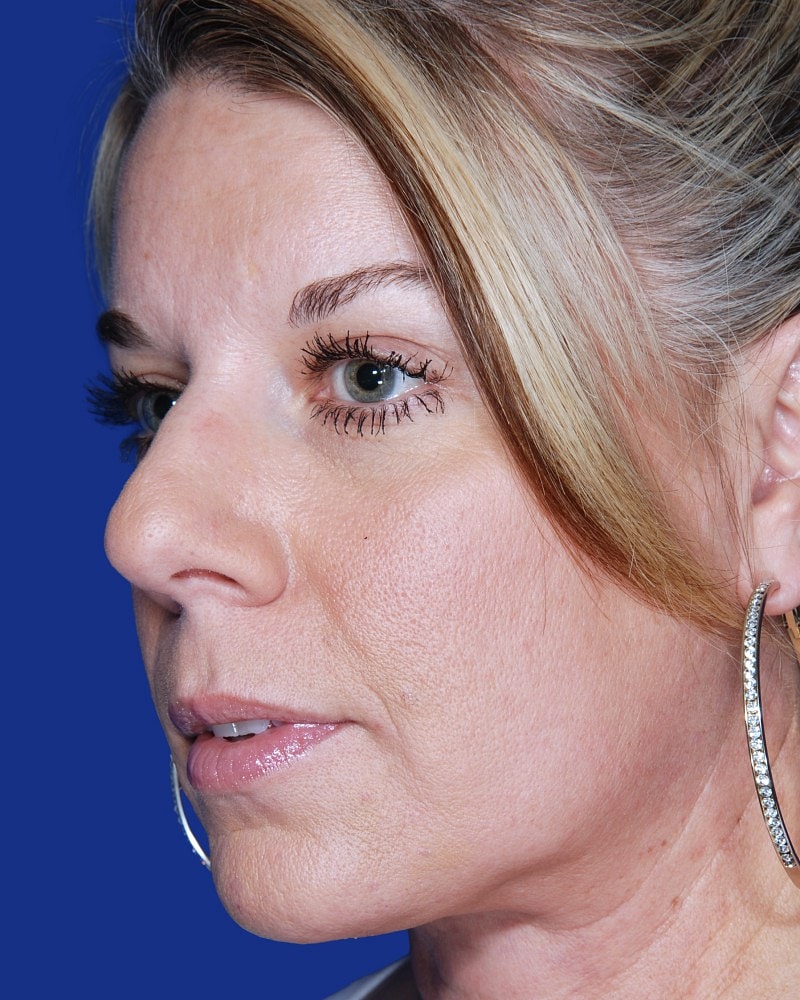
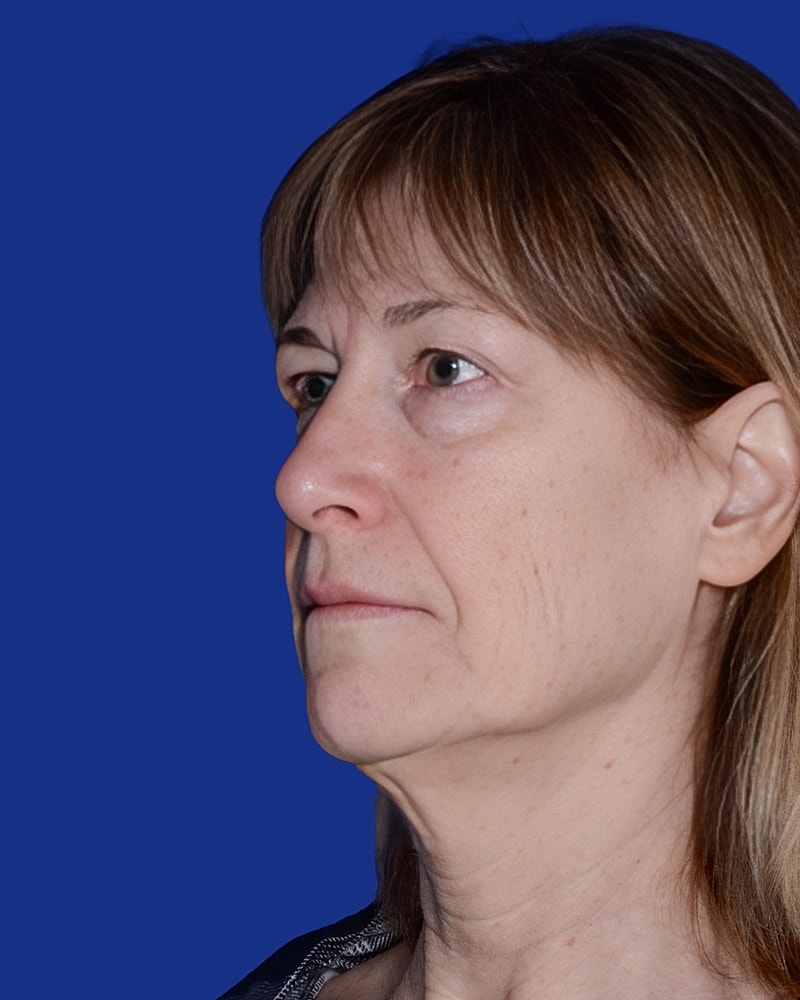
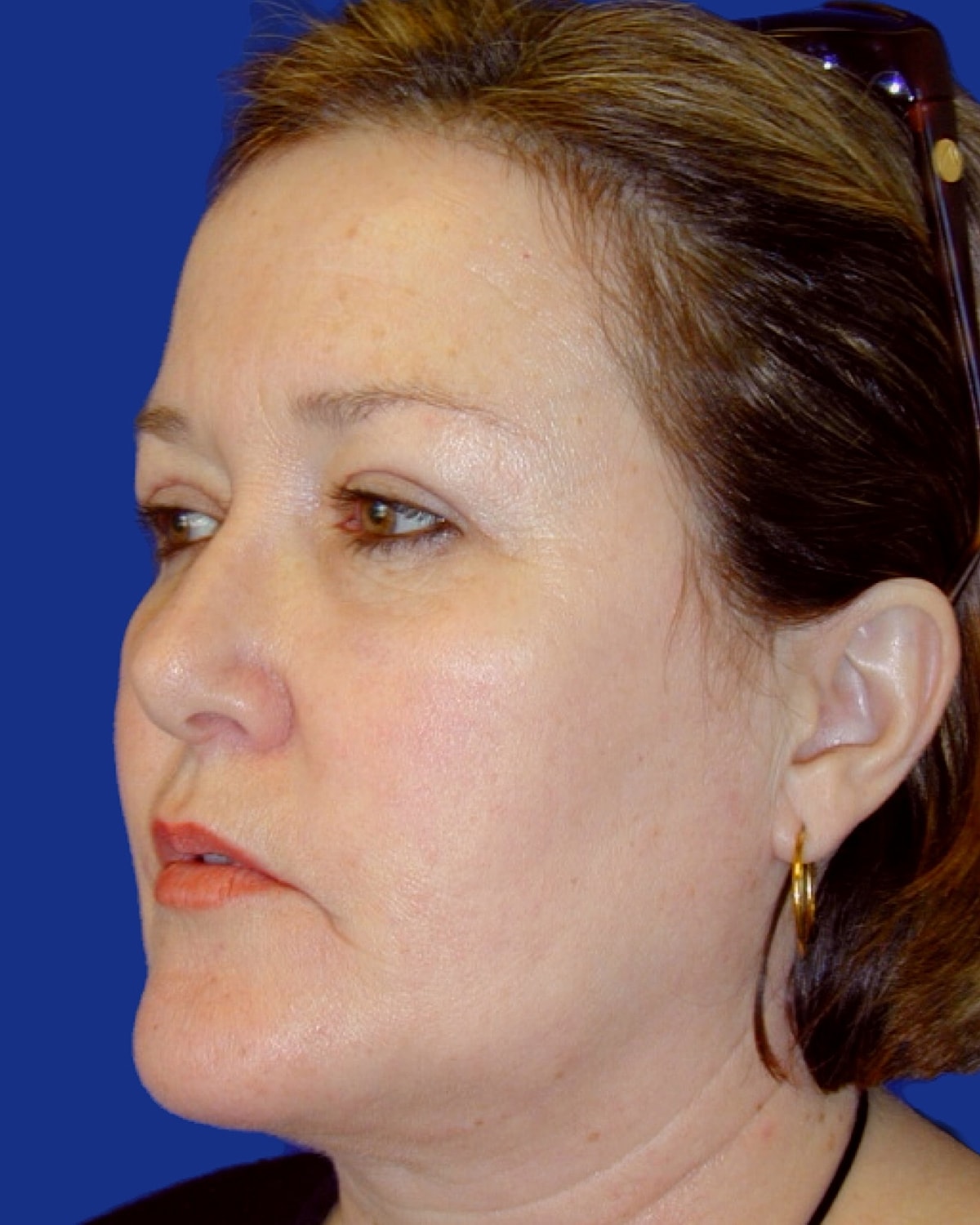
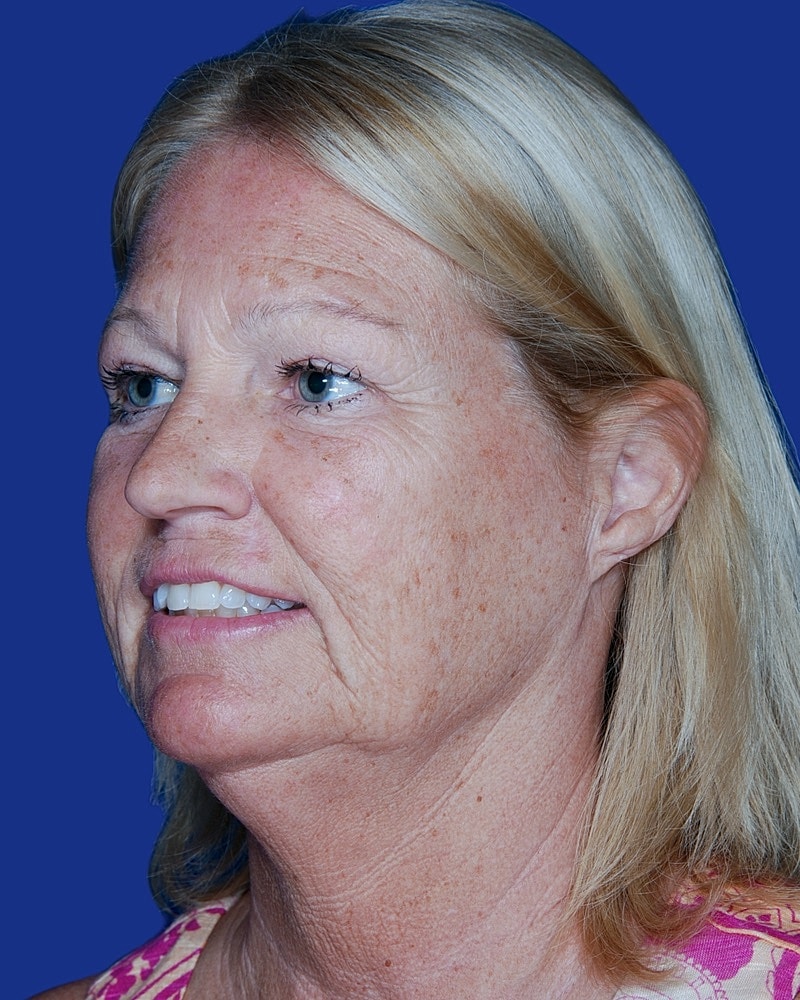
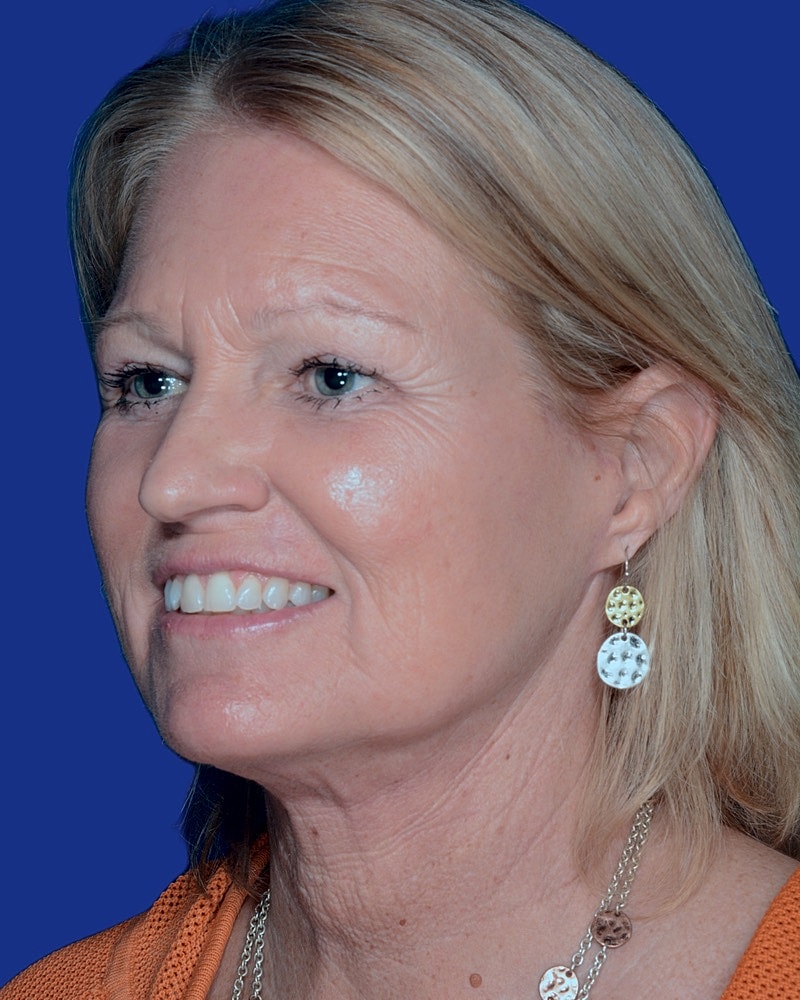
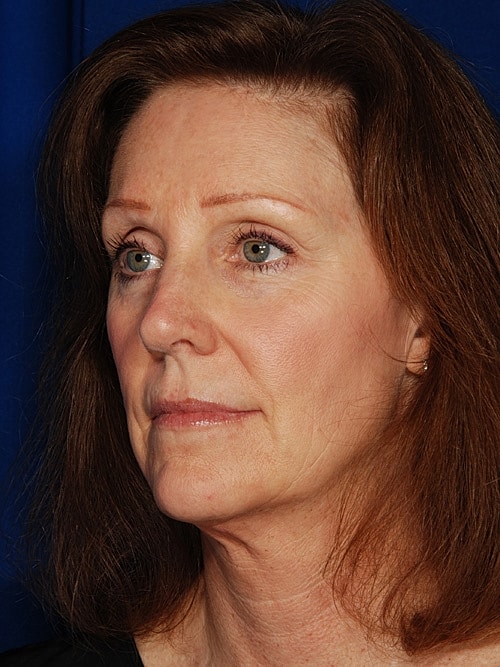
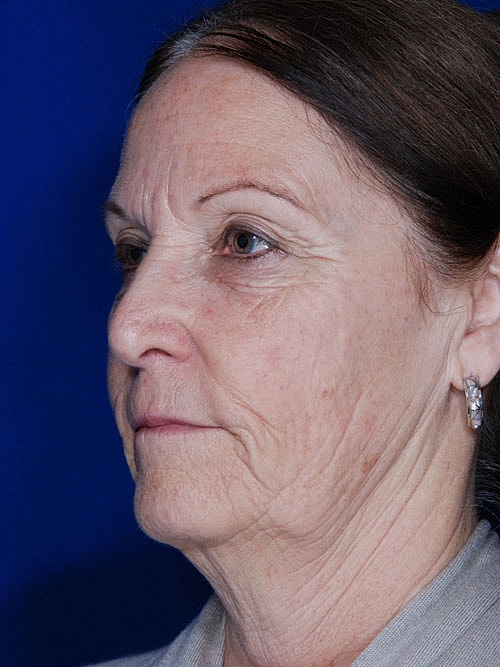
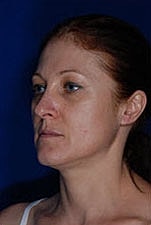
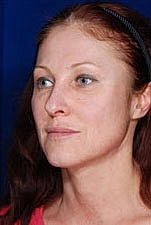
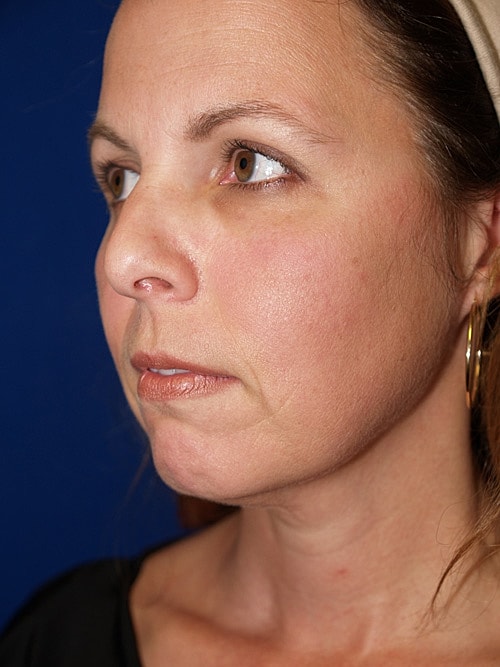
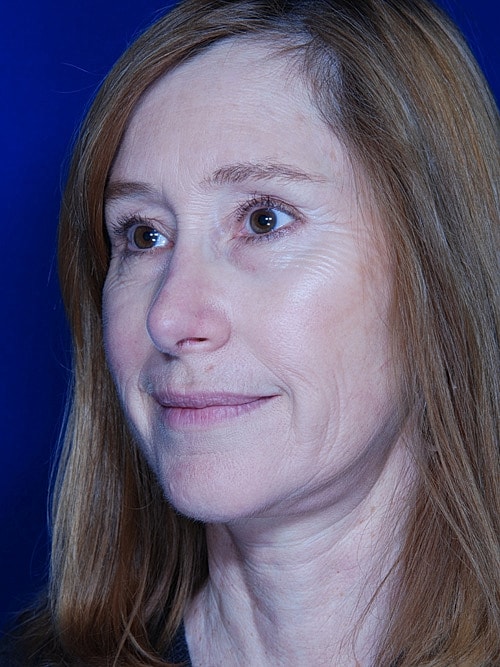
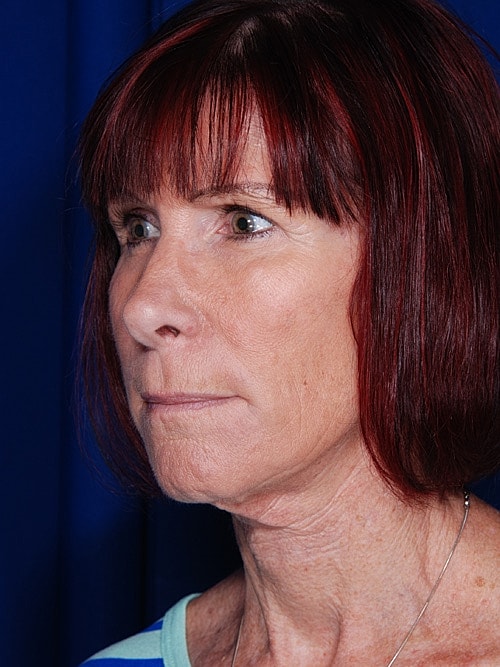
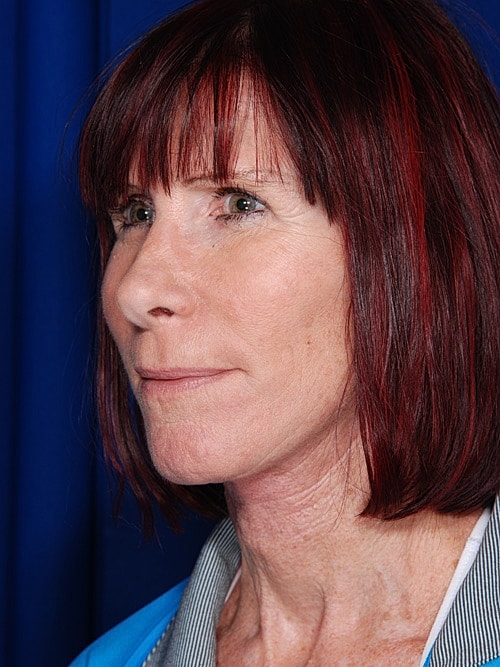
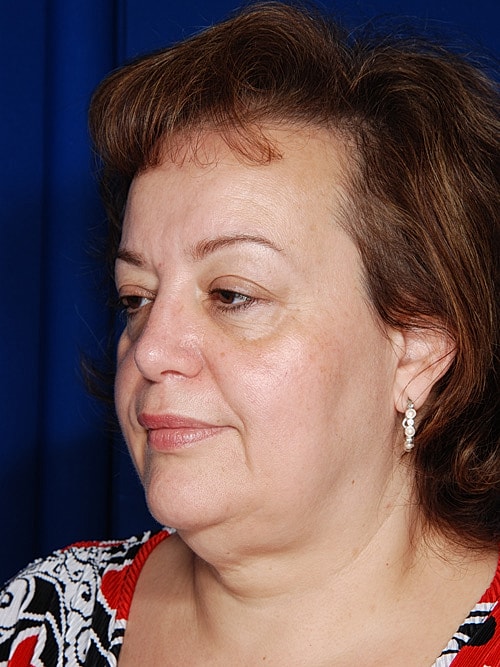
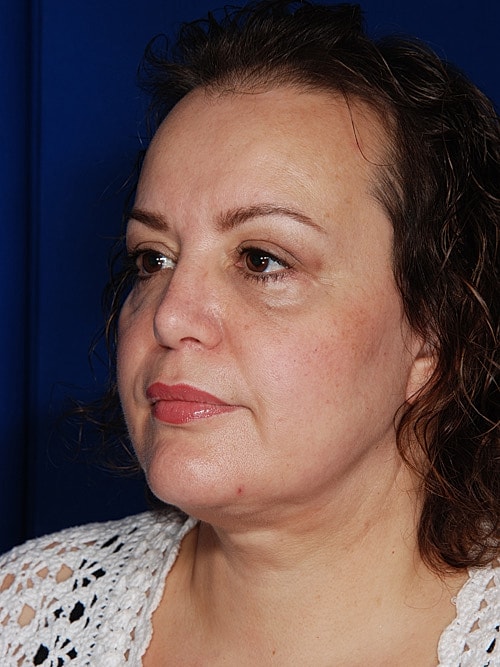
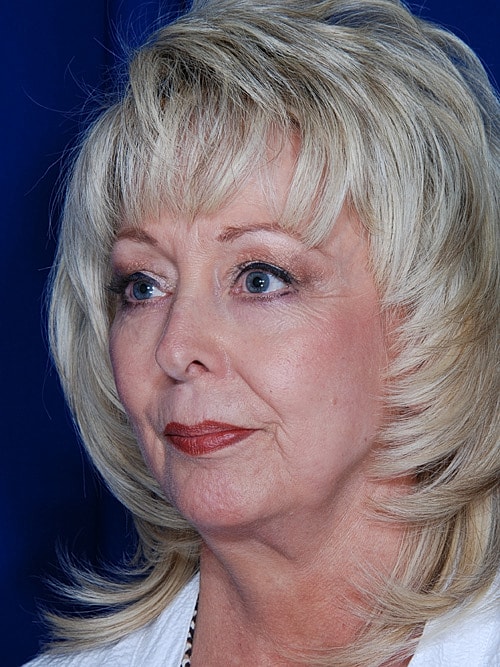
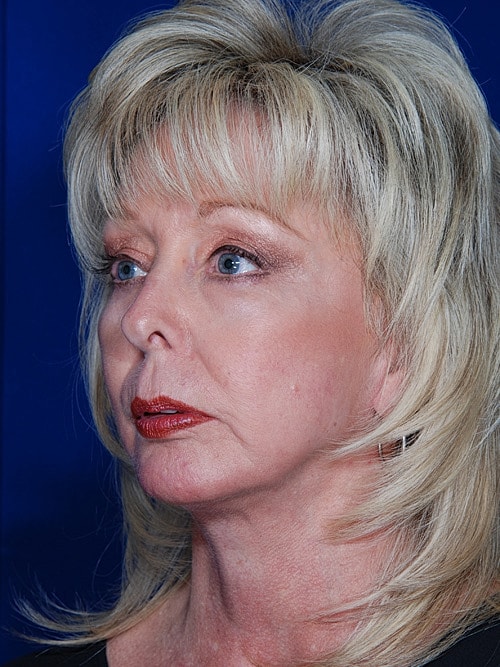
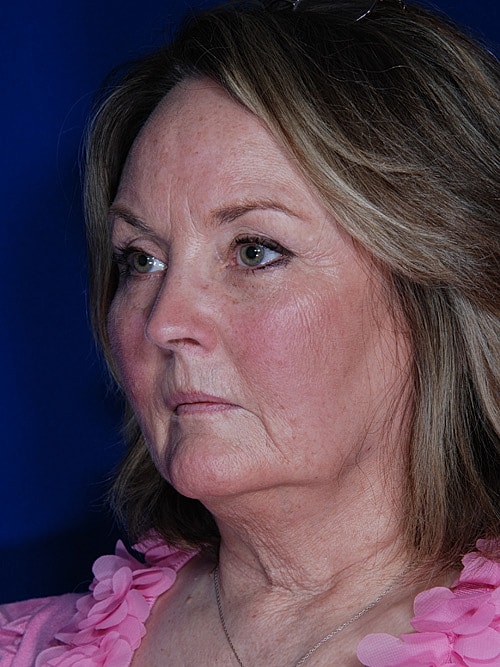
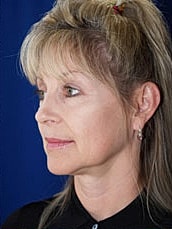
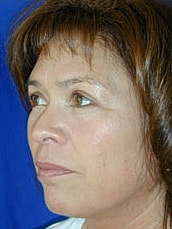
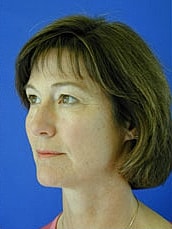
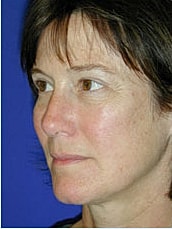
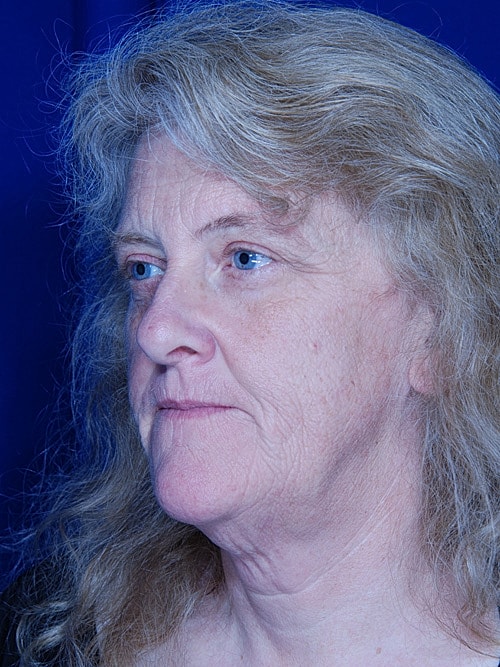
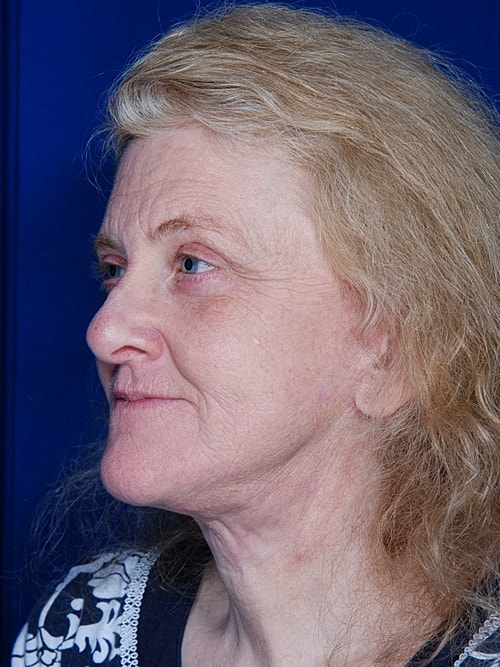
Our facelift gallery includes different surgical plans and combined procedures. Ask which examples involve a limited lift and which include neck surgery, eyelid surgery or fat transfer. Similar starting anatomy makes a comparison more useful.
1 of 31
Understand The Scope Of The Lift
A mini facelift usually refers to a lift focused on selected changes in the lower face, such as early jowling or mild laxity. At Blackhawk, Dr. Ronan customizes every facelift to the patient’s anatomy, concerns, and goals. The term does not specify a standardized technique, incision length, or recovery timeline.
You may also see the terms “mini face lift” or “short-scar facelift.” Surgeons use those labels differently. Ask which tissues Dr. Ronan would reposition and how that work would address your concerns. Incision placement and the extent of tissue work follow the correction needed for your face and neck.

Bring Definition Back To The Jawline
When a limited approach fits your anatomy, it may improve modest sagging around the lower cheeks and jaw. Dr. Ronan plans the correction around the relationship between your lower face and neck, with the goal of improving definition while preserving your facial proportions and expression.
It may address:
A limited lift has less reach when there is substantial excess tissue, neck banding or pronounced sagging. It also does not replace missing cheek volume or fully treat deeper wrinkles. Surface sun damage, movement-related lines and drooping eyelids need separate assessment. Identifying the main cause of a concern helps avoid choosing an operation that leaves it unchanged.

Choose Enough Correction
“Mini” and “full” describe the general scope of a facelift, but each patient needs an individual surgical plan. Dr. Ronan determines the amount of tissue repositioning and the incision pattern after examining your face and neck. A full facelift may be appropriate when broader correction is needed.
A full facelift allows a broader plan for more pronounced facial laxity. Deep plane and other SMAS techniques describe how the surgeon works with deeper support tissues. They are not simply names for longer incisions. The SMAS is a fibrous tissue layer beneath the skin that helps support facial structures.
Dr. Ronan considers skin looseness, tissue descent, volume loss, and the relationship between the face and neck across the entire area. A limited operation may leave too much laxity when a larger correction is needed. Ask to compare the expected improvement from each option, including the additional recovery and scars involved.

Let Anatomy Lead The Decision
A suitable candidate is in good health, has realistic expectations and has concerns a limited facelift can address. Dr. Ronan assesses skin quality, tissue descent, facial volume and neck changes before recommending the extent of surgery. You also need time for recovery and a practical plan for transportation, home support and follow-up.
Age alone does not determine candidacy. Most patients are selected based on anatomy and tissue changes rather than age alone. A patient in their 40s may need a different approach from another patient of the same age because skin quality, bone structure and tissue laxity differ. Waiting or choosing a nonsurgical option can also be reasonable.
Tell Dr. Ronan about nicotine use, high blood pressure, bleeding or clotting problems, medicines, supplements and previous facial surgery. Mention fillers, threads and energy-based treatments, including when they were performed. Uncontrolled medical conditions or ongoing nicotine use may require postponement. Health and the likely benefit take priority over choosing the smallest operation, with the goal of helping you feel more confident about the changes you choose to address.


Know What The Name Includes
All facelift procedures at Blackhawk are performed under general anesthesia at our on-site Blackhawk Surgery Center in Danville, CA. Dr. Ronan plans the operation around the tissues being addressed and any combined procedures. A board-certified anesthesiologist monitors you throughout surgery.
Ask for the proposed incision pattern and a clear explanation of any neck or volume work. A mini facelift does not automatically include either.
Leave Time For Swelling To Settle
Swelling, bruising, tightness and temporary changes in sensation can follow facelift surgery. Your recovery depends on the extent of tissue work, any combined procedures and your healing response. Dr. Ronan will discuss the recovery expected for your plan; the “mini” label does not establish a shorter schedule.
Follow the instructions for dressings, incision care and sleeping with your head elevated. Use prescribed pain medication as directed. Take gentle walks when permitted and avoid bending, straining or other activities that increase pressure around the surgical area.
Keep your scheduled reviews. Sutures and any drains are removed according to the surgical plan and healing progress. Apply cold compresses, skin products or makeup only when the team approves them.
The timing of your return to work and non-strenuous activities is individualized. Visible swelling or bruising may outlast the point when you feel physically comfortable. Discuss your work demands and upcoming events so the team can help you plan time away.
Resume strenuous exercise and heavy lifting only with clearance based on your operation and healing. Follow the team’s instructions for increasing activity. Do not drive while using sedating medicines or until you can turn your head and operate the car safely.
Contact the team promptly for increasing one-sided swelling, worsening pain, fever, spreading redness or unusual drainage. Rapidly expanding swelling requires immediate assessment. Chest pain or trouble breathing needs emergency care.

Keep The Expectations Specific
The goal is better lower-face contour and a more youthful appearance that still looks like you. Early swelling can obscure the result and make the sides look uneven. Improvement becomes clearer over several weeks, while subtle swelling and scars continue to change over months.
Dr. Ronan plans incision placement around the correction needed and your anatomy. Incisions may follow portions of the ears and extend into the hairline when appropriate. Scars are permanent, even when placed in less visible areas. The extent of tissue work and your healing affect their appearance.
How long the improvement lasts depends on your anatomy, surgical plan, skin quality and subsequent aging. Weight changes and sun exposure also affect the result. Discuss the durability you can reasonably expect from your proposed operation.
Smaller Surgery Still Has Risks
Facelift risks include bleeding or hematoma, infection, poor wound healing, unfavorable scars, skin loss, hair loss around incisions, asymmetry, and persistent changes in sensation. Facial nerve injury can affect movement temporarily or permanently. Anesthesia complications and revision surgery are also possible.
The ISAPS mini facelift information explains the benefits and limitations of a limited lift. Your medical history and proposed procedure determine the risks relevant to you.

Treat Each Concern With A Reason
A neck lift may be appropriate when neck skin or bands need correction beyond a limited facial lift, and may be combined with targeted liposuction when fullness under the chin contributes to contour concerns. Facial fat transfer addresses selected areas of volume loss, giving back fullness that can offset age-related volume loss associated with reduced collagen production. Eyelid surgery or a brow lift may be considered for concerns around the eyes and forehead; in appropriate cases, eyelid surgery can improve vision as well as rejuvenate the eyes.
Nonsurgical treatments serve different purposes. Botox can soften expression-related lines; fillers add selected volume; skin treatments address texture or pigment, sometimes enhancing skin quality but not replacing surgical correction of laxity. These approaches do not remove the same amount of loose tissue as surgery. Dr. Ronan can explain which combination offers enough improvement and which treatments would add little value. Additional procedures also change cost, risks and recovery.
Expect An Honest Recommendation
Dr. Stephen J. Ronan is certified by the American Board of Plastic Surgery and founded Blackhawk Plastic Surgery in 2002. His facial-surgery philosophy considers the whole face and weighs improvement against recovery, scarring and cost. A procedure should offer enough benefit to justify those trade-offs.
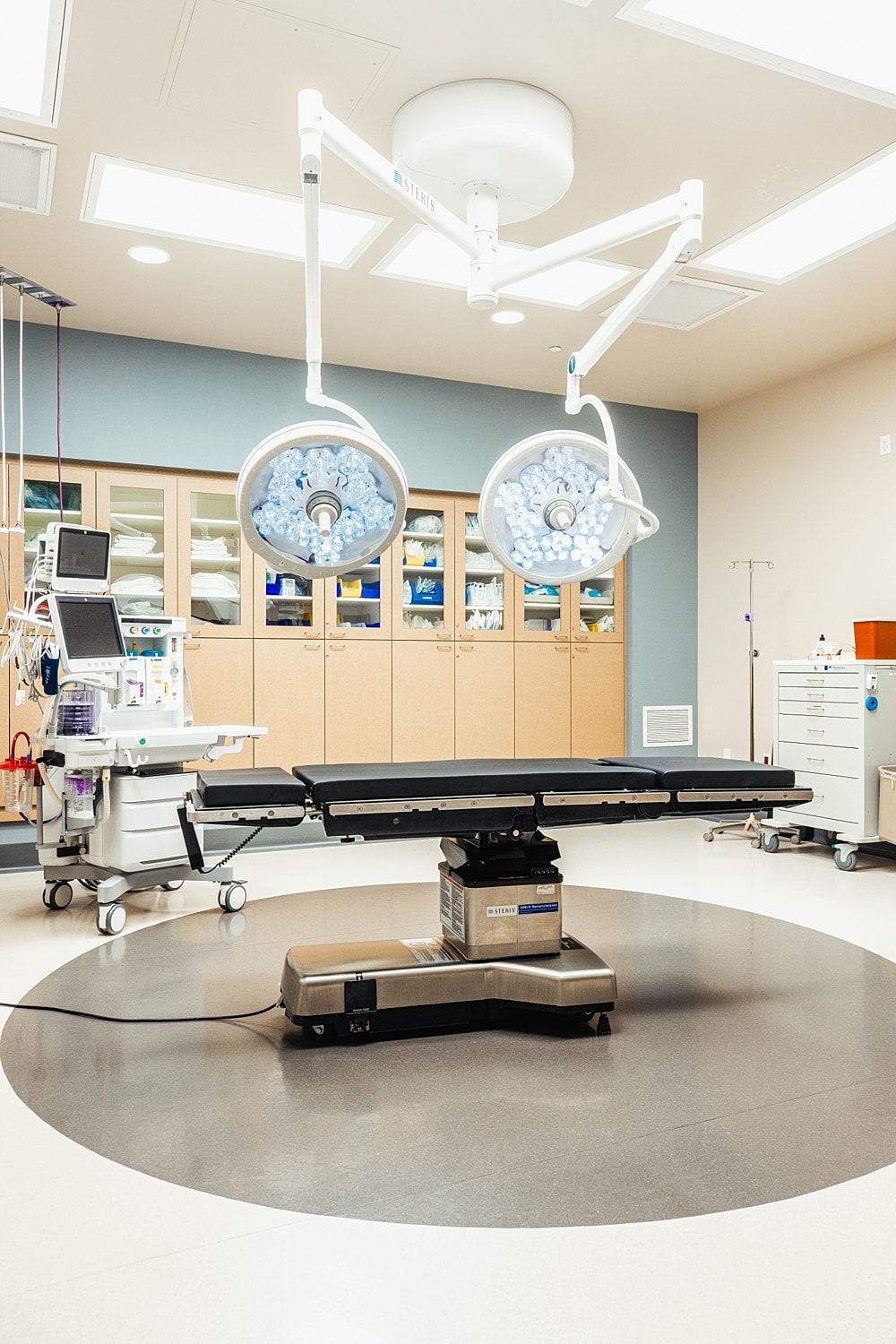
All facelift procedures take place at our on-site, QUAD A-accredited Blackhawk Surgery Center in Danville, CA. QUAD A accreditation means the facility is independently evaluated against established patient safety standards, including staff qualifications, infection prevention, equipment and emergency preparedness. This review gives you meaningful information about the facility where your surgery will take place. Surgical planning also includes general anesthesia, aftercare and follow-up.
Cost reflects the tissue work, anesthesia, facility fees and any combined procedures. A mini facelift does not have a standard price based on its name. Request a written estimate. Blackhawk offers PatientFi and CareCredit financing, subject to approval and lender terms.
A limited facial lift may improve the transition near the jaw, but significant neck laxity, muscle bands or fullness under the chin may need another approach. Ask which parts of the neck would change under the proposed plan.
The plan should support tissues and preserve facial proportions rather than depend on tight skin closure. Technique, skin quality, and the amount of correction influence appearance. Discuss the look you want and review relevant cases. A natural-looking result cannot be guaranteed.
No. A mini facelift surgically repositions selected tissues and removes excess skin. A thread lift uses implanted threads for limited tissue support and does not provide the same skin removal. Their expected correction, risks and longevity differ.
A previous mini facelift does not automatically rule out later facial surgery. Scar tissue, earlier tissue work, health and changes in your concerns affect the options. Keep records of previous procedures and discuss the longer-term plan.
Choose With Clear Expectations
Meet with Dr. Ronan at Blackhawk Plastic Surgery & MedSpa, 3600 Blackhawk Plaza Circle, Danville, CA 94506, to discuss the changes you want to address. Bring questions about your jawline, neck, incision placement and recovery. Your consultation establishes which approach fits your anatomy, concerns and goals, along with the likely improvement, recovery demands and cost.
When it comes to plastic surgery, proper care happens before, during, and after surgery day. That’s why we’ve created blueprints outlining what patients and providers need to consider to ensure success. Our pre-care and post-care guides are here to help our patients and all patients take the necessary steps to maximize their chances of safe surgery and beautiful results.
PatientFi puts the patient’s best interest at the center of everything. Designed by the nation’s leading plastic surgeons, PatientFi allows you to pay for your treatment through flexible monthly payment plans, customized to fit your budget. Apply today to see which payment plan you qualify for with zero impact to your credit score!
Discover CareCredit, your health and beauty credit card. Benefit from easy monthly payments, zero upfront costs, and flexible usage for various services or follow-up visits. Take control of your well-being today.