Waking up looking tired even after eight hours of sleep? Your eyes might be telling a story your energy level doesn’t support.
Eyelid surgery—blepharoplasty—addresses this disconnect, but the approach differs dramatically depending on whether we’re talking about upper or lower lids. While both procedures fall under the same surgical umbrella, they solve fundamentally different problems using distinct techniques.
Why Facial Surgery Requires Real Expertise
Your face is complex. This isn’t the place for bargain shopping or trusting your appearance to anyone less than a highly qualified surgeon.
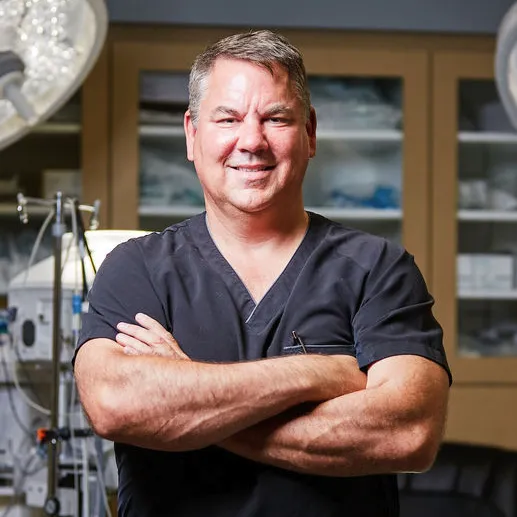
Blackhawk Plastic Surgery offers specialized procedures including Blepharoplasty and Male Blepharoplasty, recognizing that different patients need different approaches. As a Board Certified plastic surgeon with over 20 years of experience, I emphasize that natural-looking results require understanding how all facial features work together.
During consultations, I focus on understanding your specific concerns rather than jumping to procedures. What areas bother you? What do you see in the mirror that doesn’t match how you feel?
These questions matter more than arriving with a predetermined treatment plan.
Upper Eyelid Surgery: Removing What’s Excess
The primary goal? Address loose, drooping skin that makes you look perpetually exhausted.
Upper eyelid procedures focus on removing excess tissue. I create a crescent-shaped incision along your upper eyelid fold, removes the surplus skin, and addresses any bulging fat—typically near the nose area. Fine sutures close the incision, leaving a scar that blends into your natural eyelid crease.
The Critical Brow Connection
Here’s what many patients don’t realize: upper lids and brows must be evaluated together.
As we age, the brows rotate downward from the outside in. Extra skin and maybe some fat accumulate on the upper lid, leading to fullness over the upper eye. But here’s the key: lifting the brow requires precision.
Elevating the center of the brow creates that surprised, unnatural look nobody wants. The goal is bringing the outer part of the brow up—almost where you’re naturally trying to hold it yourself.
This is why many patients combine upper blepharoplasty with brow lift procedures. Addressing only the lid without correcting brow position can lead to disappointing results as the brow settles back down, causing skin to pile up again on the upper lid.

Lower Eyelid Surgery: Restoring What’s Missing
Lower lid aging tells a different story—one of volume loss rather than excess tissue.
The progression happens gradually. As facial fat disappears, hollowing starts under the eyes. Eventually the face deflates enough to create jowls, then neck laxity follows. What looks like bags under your eyes often isn’t extra fat at all. That bulging was simply revealed by fat loss in your cheek—like low tide exposing what was hidden in shallow water.
Why Injectable Fillers Are Problematic for Lower Lids
This is where treatment philosophy matters enormously.
I see patients regularly who’ve experienced complications from lower lid fillers—some with swelling that’s persisted for years. One patient had fillers placed in 2014 and still deals with swelling and dark discoloration. Another patient, two years post-treatment, faces the same ongoing issue.
The problem occurs frequently enough that it’s become a clear pattern. A decent number of patients develop prolonged swelling that can last years after getting injectable fillers in the lower lids.
The Fat Grafting Solution
Fat grafting offers a superior alternative for lower lid volume loss.
By the time volume loss becomes visible in your lower lids, you’ve already lost quite a bit of volume in your face. A small amount of filler won’t go far enough, and it risks those long-term swelling complications.
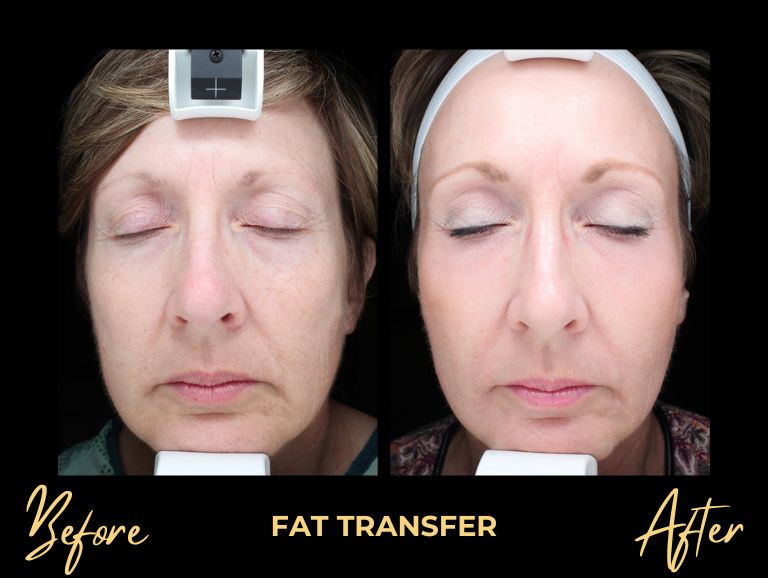
The process is straightforward: fat is harvested from your abdomen through a small incision, processed, then carefully grafted into your lower lids, cheekbones, nasolabial folds, and marionette areas.
Why fat works better than traditional fillers like Restylane or Juvéderm:
- Larger volume capacity: Fat grafting uses 20-70cc compared to just 1-5cc with injectable fillers
- More permanent results: About half the grafted fat survives and becomes permanent
- Enhanced skin quality: Fat interacts with skin tissue, improving texture and appearance
- Natural appearance: Fat doesn’t create the puffy, swollen look that can come with fillers
- No prolonged complications: Avoids the persistent swelling that can plague lower lid filler patients
Fat grafting offers natural, long-lasting facial rejuvenation—particularly valuable in areas where traditional fillers carry higher complication risks.
The Mid-Face Lift Connection
Lower lid improvement often requires addressing the cheeks simultaneously.
Here’s a simple test: place your finger on the triangular area below your lower lid and lift upward. Watch what happens. You’ll see volume return to that area as the tissue repositions. That’s exactly what happens during surgery when the cheek is lifted straight up—it corrects the jowl and forces more tissue into the hollowed-out lower lid area.
Think of it this way: lifting the cheeks addresses the cause of lower lid hollowness, while fat grafting restores the volume. Combined with any necessary skin removal and laser treatments, this comprehensive approach tackles multiple aging factors at once.
For patients undergoing comprehensive facial rejuvenation, the lower lid incision is placed just beneath the eyelashes, where scarring remains hidden.
Post-Procedure Considerations
Recovery brings its own guidelines, including temporary restrictions on eyewear.
When eyelid procedures are performed, there’s a concern about pulling on the healing eyelid during contact lens insertion. Glasses can typically be worn earlier in the recovery process, with contacts introduced once adequate healing has occurred. Your surgeon will provide clear timing based on your individual healing progress.

Understanding Recovery Expectations
For a complete facial procedure including eyelids, realistic expectations matter.
The first four days or so, things look like they’re getting worse. Swelling increases, bruising develops. Around day five, the tide shifts and improvement begins. Most patients feel ready to go out in public at two weeks—makeup helps if needed. By one month, most people are comfortable taking pictures at special occasions like weddings.
The process requires patience, but it moves faster than many patients expect.
What Natural Results Actually Look Like
One patient story illustrates what successful facial surgery should achieve.
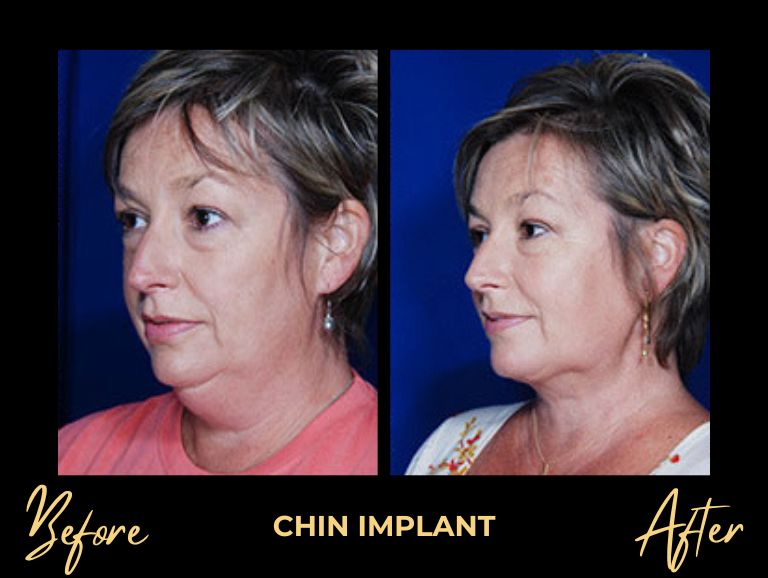
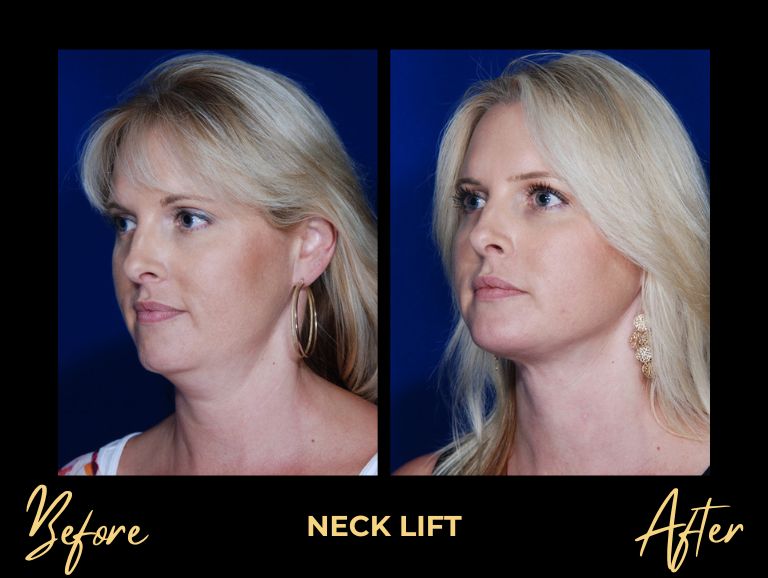
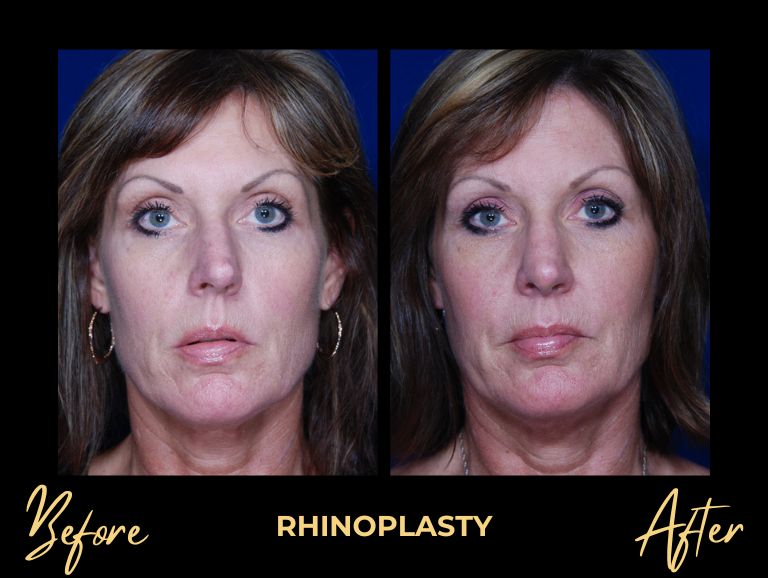
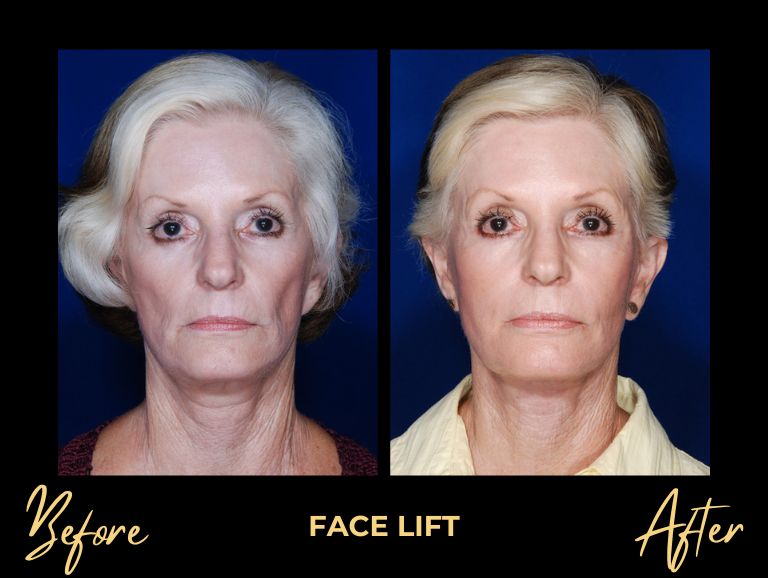
After her procedure, a patient returned to her monthly card game group. Six months later, her friends broke some news: they thought she’d been ripped off because it didn’t look like she’d had surgery.
When I showed her the before-and-after photos, the dramatic change became clear. Her brain had adapted to her new appearance so completely that she’d forgotten how much had changed. Her friends simply couldn’t detect the surgery because everything looked so natural.
The goal with all facial surgeries at Blackhawk is making patients look entirely normal, not surgical. Everything should appear cleaner, brighter, and happier—not different or artificial.
The Bottom Line
Upper and lower blepharoplasty might share a name, but they’re solving different problems through different means.
Upper lids require removal—eliminating excess skin that weighs down your eyes. Lower lids require restoration—replacing lost volume and potentially lifting surrounding structures to recreate youthful contours.
Understanding this distinction helps you have more informed consultations with your surgeon. Rather than simply requesting “eyelid surgery,” you can discuss which specific concerns need addressing and which techniques will deliver natural, refreshed results.
As is specified on our facial fat transfer page, Blackhawk Plastic Surgery’s goal is never to augment—only to rejuvenate. You shouldn’t look like someone else, just a younger, more rested version of yourself.
That philosophy applies perfectly to both upper and lower eyelid surgery.
The best results come from treating your unique anatomy with techniques matched to your specific aging patterns, not applying a one-size-fits-all approach to every patient who walks through the door.