When you’re considering rhinoplasty in the Bay Area, the price range can feel overwhelming. Some surgeons quote $7,000 while others charge upward of $25,000.
Neither extreme tells the complete story.
Understanding rhinoplasty pricing in one of America’s most expensive metropolitan areas requires looking beyond the initial quote. The surgeon’s credentials, facility accreditation, and what’s actually included in that price tag matter far more than the number itself.
Making the wrong choice based purely on cost could mean facing a revision surgery that costs significantly more than the original procedure.
What Bay Area Rhinoplasty Actually Costs
In the Bay Area, comprehensive rhinoplasty typically costs between $12,000 and $25,000.
Quality surgeons with proper credentials generally charge $13,000 to $19,500 for all-inclusive rhinoplasty. This transparent pricing covers everything: surgery, anesthesia, facility fees, consultation, and follow-up care.
The wide pricing range reflects significant differences in surgeon expertise, facility quality, and geographic location.
A $7,000 rhinoplasty might sound attractive until you discover that anesthesia, facility fees, and follow-up visits cost another $7,000. Meanwhile, a $25,000 procedure might include premium amenities that don’t improve your surgical outcome.
Smart patients focus on value rather than the lowest or highest price. They understand that rhinoplasty represents a long-term investment in their appearance and confidence. Getting it right the first time costs less than paying for multiple procedures.
Why Surgeon Credentials Drive Pricing
Your surgeon’s qualifications directly impact both cost and outcomes. Board certification represents the baseline, but Fellowship in the American College of Surgeons (FACS) represents the gold standard.
FACS designation requires meeting the most rigorous surgical standards in America. Only surgeons demonstrating exceptional skill, ethics, and outcomes receive this recognition. These surgeons typically score in the top percentiles of their specialty exams and serve on professional organization boards.
The credentialing process spans years. Plastic surgeons complete four years of medical school, five to seven years of general surgery residency, and two to three years of plastic surgery fellowship. Board certification requires passing comprehensive written and oral examinations. FACS fellowship adds another layer of peer review and professional achievement.
This extensive training delivers results that budget options simply cannot match. A board-certified plastic surgeon with FACS credentials charges premium rates because their outcomes justify the investment. They understand facial anatomy, possess refined surgical techniques, and maintain lower complication rates.
The credential gap becomes obvious when complications arise. Board-certified surgeons handle unexpected situations with expertise developed through years of training. Less qualified practitioners might struggle with complex cases, leading to poor outcomes or emergency interventions.
Location Economics in Bay Area Rhinoplasty
San Francisco surgeons often charge $20,000+ for rhinoplasty. Much of this premium pays for downtown real estate, not surgical skill.
Prime San Francisco locations command astronomical rents. Union Square practices might pay $15,000 monthly for office space that East Bay practices secure for $4,000. These overhead costs get passed directly to patients through higher surgical fees.
An East Bay location, like Blackhawk Plastic Surgery & MedSpa, enjoys the same world-class expertise without location overhead. Patients from San Francisco, Silicon Valley, and throughout the Bay Area increasingly choose surgeons based on credentials and results, not zip codes.
Your results depend on surgical skill, not street address.
Suburban locations offer additional advantages: ample (and free!) parking, comfortable facilities, and easy access from anywhere in the region. You invest in surgical excellence, not expensive office space.
Consider the practical implications. San Francisco appointments often involve expensive parking, traffic delays, and rushed consultations. East Bay practices typically provide relaxed environments where surgeons spend adequate time discussing your goals and concerns.
The location premium doesn’t improve surgical outcomes. A FACS-certified surgeon performs identical procedures whether their office sits in downtown San Francisco or suburban Danville.
Facility Accreditation Affects Safety and Cost
Accredited surgical centers maintain strict standards from organizations like AAAASF (American Association for Accreditation of Ambulatory Surgery Facilities) and Medicare. These facilities work exclusively with board-certified anesthesiologists and follow comprehensive safety protocols.
Accreditation requires meeting dozens of safety standards. Facilities must maintain specific equipment, follow sterilization protocols, and demonstrate emergency preparedness. They undergo regular inspections and quality audits. Staff members complete ongoing training in patient safety and emergency procedures.
Accredited facilities cost more to operate than basic surgical suites. They also provide safer environments, better outcomes, and comprehensive post-operative care. When comparing prices, verify that your surgeon operates in an accredited facility with proper safety protocols.
Non-accredited facilities cut corners on safety equipment, emergency protocols, or staff training. They might use nurse anesthetists instead of board-certified anesthesiologists. These cost savings get passed to patients through lower prices, but they may also increase complication risks.
The facility where your surgery occurs matters as much as the surgeon performing it. Accredited centers provide backup systems when problems arise. They maintain relationships with nearby hospitals for emergency transfers. They stock appropriate medications and monitoring equipment.

Understanding Anesthesia Costs and Safety
Anesthesia represents a significant portion of rhinoplasty costs, typically ranging from $1,500 to $3,000. The type of anesthesia provider directly impacts both safety and pricing.
Board-certified anesthesiologists complete four years of medical school, four years of anesthesiology residency, and extensive training in emergency medicine. They handle complex medical situations and manage patients with multiple health conditions. Their expertise commands higher fees but provides superior safety margins.
Certified Registered Nurse Anesthetists (CRNAs) offer less expensive alternatives but possess more limited training. For healthy patients undergoing routine procedures, CRNAs might provide adequate care. However, complications requiring immediate medical intervention benefit from physician-level expertise.
Some practices employ both anesthesiologists and CRNAs, with the anesthesiologist supervising multiple cases simultaneously. This model reduces costs while maintaining physician oversight. Ask specifically about your anesthesia provider’s credentials and supervision arrangements.
The anesthesia conversation reveals important details about your surgeon’s priorities. Practices focused purely on profit margins might compromise on anesthesia quality. Surgeons prioritizing patient safety invest in board-certified anesthesiologists even when it increases their overhead costs.
Pricing Red Flags to Avoid
Under $12,000 all-inclusive pricing often indicates corners cut on safety, expertise, or aftercare. Revision rhinoplasty typically costs more than getting it right the first time.
These budget practices might employ recent graduates without extensive rhinoplasty experience. They could operate in non-accredited facilities or use nurse anesthetists instead of physician anesthesiologists. Their follow-up care might be limited, leaving you without support during recovery complications.
Over $22,000 for primary rhinoplasty usually reflects location premiums rather than superior skill. You’re paying for prestige, not necessarily better results.
High-end practices sometimes focus more on luxury amenities than surgical outcomes. Private patient suites, concierge services, and premium locations increase overhead without improving your nose. Some prestigious surgeons delegate actual surgical work to residents or fellows.
Surgery-only quotes require adding anesthesia fees ($1,500-$3,000), facility costs ($2,000-$4,000), and consultation charges. Always compare total package pricing.
This pricing strategy makes procedures appear less expensive initially. Patients discover additional costs during pre-operative appointments when changing surgeons becomes inconvenient. Transparent practices provide all-inclusive pricing from initial consultation.
No upfront pricing suggests poor business practices or hidden fee structures. Reputable surgeons provide transparent cost estimates before consultation.
Practices refusing to discuss pricing often charge premium rates without justification. They might adjust prices based on perceived patient wealth or add unexpected fees throughout the process. Professional practices provide written estimates covering all anticipated costs.

Experience Level and Surgical Volume
High-volume rhinoplasty surgeons command premium pricing because their outcomes justify the investment. Surgeons performing thousands of procedures annually develop refined techniques, predictable results, and efficient procedures.
Surgical volume directly correlates with complication rates. Surgeons performing 200+ rhinoplasties yearly encounter diverse anatomical challenges and develop solutions for complex cases. They refine their techniques through repetition and experience.
Low-volume surgeons might charge competitive rates but lack the experience necessary for optimal outcomes. They handle fewer complications and possess limited experience with revision cases. Their learning curve occurs with your procedure.
When rhinoplasty costs $15,000-$20,000, paying an experienced surgeon makes financial sense. Revision surgery typically costs 50% more than primary rhinoplasty and involves greater technical difficulty.
Ask specific questions about surgical volume. How many rhinoplasties does the surgeon perform monthly? What percentage of their practice involves nose surgery? Do they handle revision cases from other surgeons? These questions reveal expertise levels that pricing alone cannot communicate.
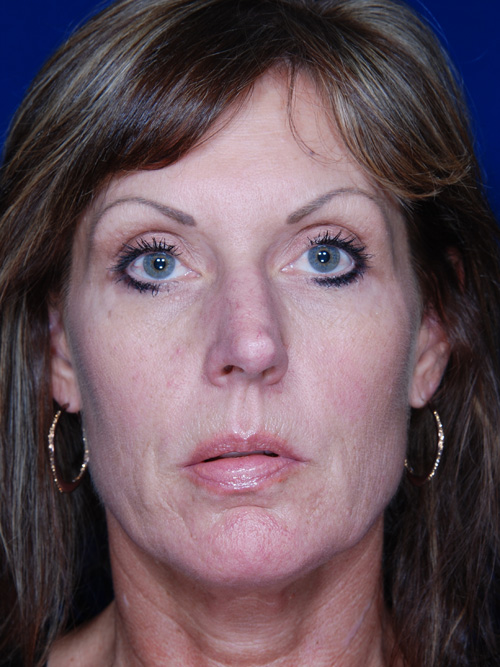
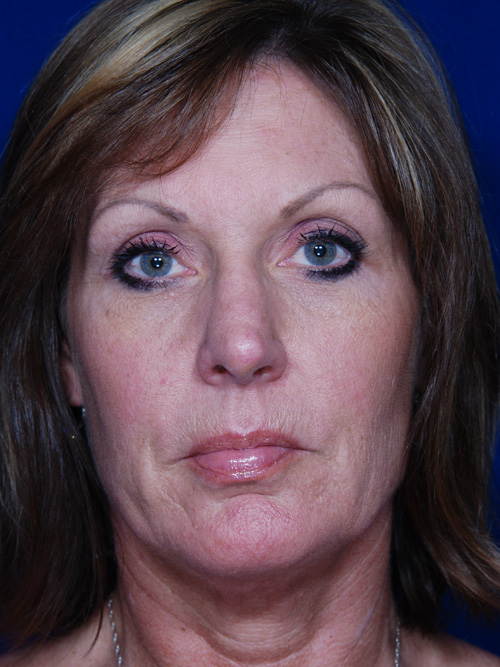
You can explore examples of actual rhinoplasty results to understand what experienced surgeons achieve for their patients.
Revision Rhinoplasty Considerations
Approximately 10-15% of rhinoplasty patients require revision surgery. This percentage varies significantly based on surgeon experience and patient selection. Choosing an experienced surgeon reduces revision probability but doesn’t eliminate it entirely.
Revision rhinoplasty typically costs 50-100% more than primary surgery. The technical complexity increases dramatically when working with previously operated anatomy. Surgeons must navigate scar tissue, manage limited cartilage supply, and address structural changes from initial surgery.
For men specifically, rhinoplasty considerations often focus on maintaining masculine features while addressing functional concerns.
Insurance never covers revision cosmetic rhinoplasty. Patients bear the full financial burden of additional procedures. Financing options might be limited for revision cases, especially if complications arise from the original surgery.
Primary surgery success rates vary among surgeons. Board-certified plastic surgeons with extensive rhinoplasty experience achieve 90-95% patient satisfaction rates. Less experienced practitioners might see 70-80% satisfaction, leading to higher revision rates.
The revision risk alone justifies investing in qualified surgeons. Saving $5,000 on initial surgery makes little sense if it leads to $20,000 in revision costs. Calculate total potential expenses when comparing surgical options.
All-Inclusive vs. Itemized Pricing
Many Bay Area surgeons quote surgery fees only, requiring separate payments for:
- Anesthesia services ($1,500-$3,000)
- Facility fees ($2,000-$4,000)
- Pre-operative consultations ($200-$500)
- Post-operative visits ($150-$300 each)
- Prescription medications ($100-$300)
- Post-surgical garments or supplies ($50-$200)
The best practices eliminate these surprises through all-inclusive pricing. Your quoted price should cover every aspect of care from initial consultation through final follow-up.
All-inclusive pricing demonstrates transparency and confidence in patient care. Surgeons offering comprehensive packages understand their costs and feel comfortable guaranteeing total expenses. They’ve calculated appropriate margins while providing complete care.
Itemized pricing creates uncertainty and potential conflict. Patients worry about additional costs throughout the process. They might delay necessary follow-up visits due to expense concerns. Hidden fees damage the doctor-patient relationship and create unnecessary stress during recovery.
Insurance and Financing Considerations
Cosmetic rhinoplasty typically isn’t covered by insurance. However, functional components addressing breathing issues might qualify for partial coverage.
Functional rhinoplasty addresses medical conditions like deviated septum, turbinate enlargement, or nasal valve collapse. These procedures might qualify for insurance coverage when documented breathing problems exist. The cosmetic portion remains the patient’s responsibility.
Most practices accept CareCredit and PatientFi financing, allowing you to spread costs over manageable monthly payments. These programs often provide better terms than personal loans or credit cards.
Understanding financing options for cosmetic surgery can help you plan your investment more effectively.
CareCredit offers promotional financing with 0% interest for qualified applicants. Terms range from 6 to 60 months, depending on the procedure cost. PatientFi provides similar programs with flexible payment options.
Personal loans through banks or credit unions might offer competitive rates for borrowers with excellent credit. Credit cards typically charge higher interest rates but provide immediate funding availability.
Discuss financing options during consultation. Many practices offer multiple programs to accommodate different credit profiles. Some provide internal financing arrangements for qualified patients.
The True Cost of Choosing Wrong
Revision rhinoplasty costs significantly more than primary surgery and involves greater complexity. Board-certified plastic surgeons achieve higher success rates, reducing revision risk.
Consider the total investment: initial surgery, time off work, recovery expenses, and potential revision costs. Choosing an experienced, FACS-certified surgeon represents sound financial planning, not just aesthetic preference.
Poor surgical outcomes create costs beyond financial implications. Breathing problems might require additional medical treatment. Cosmetic dissatisfaction could necessitate multiple revision attempts. The emotional toll of failed surgery affects personal and professional relationships.
Time costs accumulate quickly. Primary rhinoplasty requires 1-2 weeks off work. Revision surgery often demands longer recovery periods due to increased complexity. Multiple procedures could mean months away from normal activities.
The opportunity cost of choosing inexperienced surgeons extends far beyond the initial savings. Failed procedures require starting over with qualified surgeons while managing the psychological impact of poor outcomes.
Making Your Decision
Understanding rhinoplasty costs begins with a personalized evaluation. Quality surgeons provide complimentary consultations to discuss your goals, explain procedures, and offer transparent pricing for your specific needs.
Look for surgeons combining board certification, FACS fellowship, and transparent pricing. Prioritize convenient locations with accredited facilities over prestigious addresses with premium pricing.
The best rhinoplasty investment eliminates hidden fees while delivering predictable results in comfortable, accessible environments.
Research credentials thoroughly. Verify facility accreditation. Compare all-inclusive pricing rather than surgery-only quotes.
Learn more about board-certified surgeon qualifications and what distinguishes experienced practitioners from newer surgeons.
Schedule consultations with multiple surgeons before making final decisions. Compare their credentials, experience levels, and communication styles. Review before-and-after galleries focusing on cases similar to your concerns.
Ask detailed questions about surgical techniques, recovery expectations, and complication management. Qualified surgeons welcome thorough discussions and provide comprehensive answers. They understand that informed patients make better surgical candidates.
Your nose deserves the expertise that comes with proper credentials and transparent practices.
Ready to take the next step? Schedule your consultation to discuss your specific goals and receive personalized pricing information.

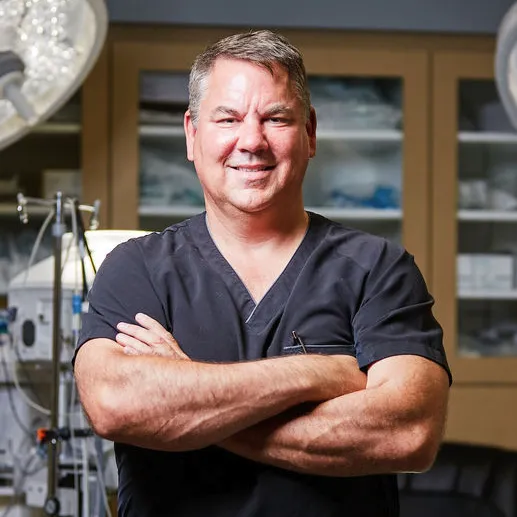
When researching rhinoplasty surgeons in the Bay Area, prioritize board certification, FACS fellowship, and transparent pricing. For example, Dr. Stephen J. Ronan at Blackhawk Plastic Surgery & MedSpa in Danville exemplifies these standards, serving patients throughout the San Francisco Bay Area with comprehensive surgical services.